
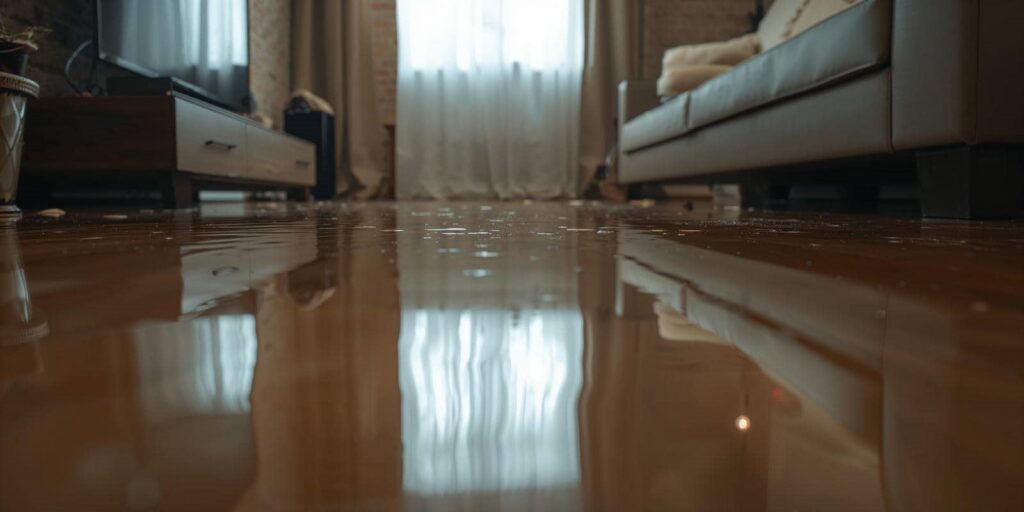
Filing a water damage claims can be a complex process, and understanding the nuances of your insurance policy is just the beginning. You need to document every detail of the damage and act swiftly to mitigate further issues. Each step you take can greatly impact your claim’s outcome. As you navigate through this process, consider the best strategies to guarantee you’re not leaving money on the table. What comes next could change the way you approach your claim.
Key Takeaways
- Review your insurance policy thoroughly to understand coverage limits and exclusions related to water damage claims.
- Document all damage meticulously with photos, videos, and lists of affected items, including values and receipts.
- Contact your insurance company immediately after damage assessment, providing all necessary documentation to expedite your claim.
- Mitigate further damage by performing immediate clean-up and repairs, while documenting these efforts to support your claim.
- Consider hiring a public adjuster for complex claims to maximize your settlement and streamline the claims process.
Understand Your Insurance Policy
When you’re facing water damage, knowing the ins and outs of your insurance policy is essential. Start by reviewing your policy for understanding exclusions that might affect your claim.
For instance, many policies don’t cover damage from flooding unless you have specific flood insurance. Familiarizing yourself with these exclusions helps you avoid unpleasant surprises during the claims process.
Next, pay attention to your policy limits. These limits define the maximum amount your insurer will pay for a claim.
Understanding these limits guides you in evaluating whether your potential losses fall within your coverage. If your damages exceed these limits, you might face out-of-pocket expenses that can be financially burdensome.
Document the Damage Thoroughly
Understanding your insurance policy sets a solid foundation for filing a water damage claim, but the next step involves documenting the damage thoroughly. Start by taking detailed photographs of affected areas, ensuring you capture different angles and any visible destruction. This visual evidence is essential for supporting your claim and demonstrating the extent of your loss.
Next, make a list of damaged items, including their approximate value and any receipts you may have. Organizing this information not only streamlines the claim process but also helps you understand your insurance coverage better.
Remember to note the date and time of the incident, as this information may be vital for your insurer. By being meticulous in your documentation, you’ll bolster your position and facilitate a smoother claims experience, fostering a sense of belonging within your insurance community.
Contact Your Insurance Company Promptly
As soon as you’ve documented the damage, it’s crucial to contact your insurance company promptly.
Delaying this step can complicate your claim process and may even jeopardize your coverage. Familiarize yourself with the reporting procedures specific to your policy, as each insurer has its own guidelines.
When you reach out, be clear and concise about the extent of the damage.
Provide the documentation you’ve gathered, including photos and notes. This information will help your insurer assess the situation accurately and expedite your claim.
Mitigate Further Damage Immediately
To prevent further damage from worsening your situation, take immediate action to address the water intrusion. Start by performing water extraction to remove standing water; this reduces the risk of mold and structural damage.
If the situation is beyond your control, don’t hesitate to call emergency services. They’ve the expertise and equipment to handle significant water damage safely and efficiently.
While you manage the situation, document the extent of the damage with photos and notes. This documentation can prove invaluable when you file your claim later.
Remember, time is of the essence. The longer water sits, the more damage it can cause, leading to costly repairs and complications with your insurance claim.
Gather Relevant Evidence and Documentation
To strengthen your water damage claim, start by collecting clear photos and videos of the affected areas.
Document the extent of the damage and any immediate repairs needed, as this visual evidence will support your case.
Additionally, compile repair estimates from professionals to provide a thorough picture of the costs involved.
Collect Photos and Videos
Collecting photos and videos is vital for substantiating your water damage claim. Photographic evidence serves as a visual record of the damage, making it easier for your insurance adjuster to understand the extent of the situation.
Be sure to capture images of affected areas, including walls, floors, and any personal belongings that were damaged. Additionally, video documentation can provide a more thorough view of the conditions, allowing for a clearer narrative of what occurred.
Don’t forget to date your photos and videos, as this information can be essential. By gathering this evidence, you’ll create a stronger case, fostering a sense of trust and transparency in your communication with the insurance company.
Compile Repair Estimates
After documenting the damage with photos and videos, the next step is to compile repair estimates.
Reach out to reputable contractors to conduct a thorough repair cost analysis. Make sure you obtain multiple estimates, as this will provide a clearer picture of the necessary repairs and associated costs.
Keep these estimates organized and detailed, as they’ll serve as crucial evidence during the claims process. When negotiating with your insurance company, leverage these figures as part of your insurance negotiation strategies.
Highlighting the disparity between your estimates and their initial offer can strengthen your position. Remember, having solid documentation not only builds credibility but also fosters trust in your claims process, making you feel more secure in your pursuit of compensation.
Keep Detailed Records of All Communications
Keeping detailed records of all communications related to your water damage claim is essential for a smooth claims process. Start by maintaining communication logs, documenting every interaction with your insurance adjuster, contractors, and other related parties. Include dates, times, and summaries of conversations, as this will help you track progress and clarify any misunderstandings.
When you initiate claim follow ups, refer back to your logs to guarantee consistency in your discussions. This not only demonstrates your diligence but also strengthens your case should any disputes arise.
By keeping meticulous records, you’re not just protecting yourself; you’re fostering a collaborative environment with your insurer. Remember, clear communication is key to a successful claims process. Your detailed records will serve as a valuable reference, making it easier to navigate any complexities that may come up.
In the end, your efforts will contribute to a more efficient resolution.
Be Aware of Deadlines for Filing Claims
Understanding the deadlines for filing water damage claims is essential to guaranteeing you receive the compensation you deserve. Each insurance policy has its own claim submission timelines, which can vary greatly. Missing these deadlines could jeopardize your chances of receiving benefits, so you must familiarize yourself with your specific policy’s requirements.
Pay close attention to any nuances in your insurance policy, as they may dictate how quickly you need to act after the damage occurs. For example, some policies may require you to notify your insurer within a certain number of days, while others may have different stipulations for submitting claims.
Be proactive and set reminders for yourself to guarantee you meet all necessary deadlines. By staying organized and informed, you can navigate the claims process more effectively, ultimately leading to the compensation you need to restore your property.
Get Professional Estimates for Repairs
When facing water damage, hiring certified professionals for repair estimates is essential to guarantee quality work.
Make certain to document all repair estimates thoroughly, as this information is important for your insurance claim.
Additionally, comparing multiple quotes can help you gauge the fair market value and strengthen your claim.
Hire Certified Professionals
Hiring certified professionals for water damage repairs is essential to guaranteeing your home is restored effectively and safely. By engaging licensed contractors, you not only gain peace of mind but also guarantee your home’s integrity.
Consider these key points when hiring:
- Verify Credentials: Guarantee they’re certified restorers with relevant training.
- Check Reviews: Look for testimonials from previous clients to gauge reliability.
- Request Estimates: Get detailed estimates to understand the scope and costs involved.
- Ask About Insurance: Confirm they carry liability insurance to protect against potential damages.
Choosing certified professionals can make a significant difference in the quality of repairs and your overall experience, fostering a sense of trust and security in your home restoration process.
Document Repair Estimates
Securing detailed repair estimates is essential for effectively managing water damage claims. Start by obtaining a thorough repair assessment from licensed professionals.
This assessment should clearly outline the necessary repairs and provide a complete cost breakdown. When you receive these estimates, make sure they include labor, materials, and any additional fees, as this transparency helps you understand the full scope of the damage and the corresponding costs.
Aim for estimates that detail each component of the repair process, which will strengthen your claim and provide clarity during discussions with your insurer.
Compare Multiple Quotes
Comparing multiple quotes is an essential step in the water damage repair process that can greatly impact your claim. By taking the time to evaluate estimates from different contractors, you guarantee that you’re making an informed decision.
Here are key points to take into account:
- Obtain at least three quotes from reputable contractors to gauge the average cost.
- Review the scope of work**** in each estimate to guarantee all necessary repairs are included.
- Examine contractor reputation by checking reviews and asking for references.
- Look for warranties or guarantees on the work, as this can affect long-term satisfaction.
Follow Up Regularly on Your Claim Status
Regularly following up on your claim status is essential to guarantee that your water damage claim is progressing smoothly. Staying proactive with your claim follow up can help you catch any issues early on, ensuring a quicker resolution.
Set a schedule for reaching out to your insurance adjuster, whether it’s weekly or bi-weekly, to request status updates. During these conversations, ask specific questions about any pending documents or assessments that may be delaying your claim.
Keep a detailed record of your interactions, noting dates, times, and key points discussed. This documentation will empower you if questions arise later.
If you encounter delays or unresponsiveness, politely express your concerns and ask for clarity on the next steps. By maintaining consistent communication, you not only stay informed but also reinforce your commitment to seeing your claim resolved effectively.
Consider Hiring a Public Adjuster if Necessary
Maneuvering the complexities of a water damage claim can be overwhelming, especially when the process stalls or complications arise. If you find yourself struggling, it might be time to contemplate hiring a public adjuster.
Here are some public adjuster benefits that can enhance your claims process:
- Expertise: They understand the nuances of insurance policies and can navigate the claim efficiently.
- Maximized Payouts: Public adjusters aim to secure the highest possible settlement, ensuring you receive what you deserve.
- Time-Saving: They handle all the paperwork and negotiations, freeing you to focus on recovery.
- Objective Perspective: Their impartiality helps avoid emotional decisions that could hinder your claim.
Frequently Asked Questions
What Types of Water Damage Are Typically Covered by Insurance?
Insurance coverage typically includes sudden leaks, burst pipes, and storm-related flooding. However, gradual damage or neglect isn’t usually covered. Understanding these water damage types helps you navigate your policy and guarantee proper claims support.
How Long Does It Usually Take to Process a Water Damage Claim?
Claim processing times for water damage can vary, typically taking a few weeks. Your insurer will conduct water damage assessments to determine coverage, so staying organized and responsive can help expedite the process and guarantee smoother communication.
Can I File a Claim for Mold Resulting From Water Damage?
Yes, you can file a claim for mold resulting from water damage, but it depends on your insurance policies. Verify you document the damage and include mold remediation costs to strengthen your claim.
What Should I Do if My Claim Is Denied?
If your claim’s denied, review the denial reasons carefully. Gather supporting documents and evidence, then initiate the claim appeal process. Be thorough and persistent; this could greatly improve your chances of a successful resolution.
Are There Any Costs I Need to Pay Upfront for Claims Processing?
You typically won’t face upfront fees for the claims process, but some insurers might require specific documentation or assessments. Always clarify any potential costs with your insurer to avoid unexpected expenses during your claim.
Review
Steering through the waters of water damage claims can feel like sailing through a storm. By arming yourself with knowledge and preparation, you can guide your ship towards calmer seas. Each tip serves as a guiding star, illuminating your path to a successful claim. Don’t hesitate to seek help when needed, as even the most skilled captains sometimes require a navigator. Stay vigilant, document every wave, and soon you’ll find safe harbor with a fair settlement in hand.