
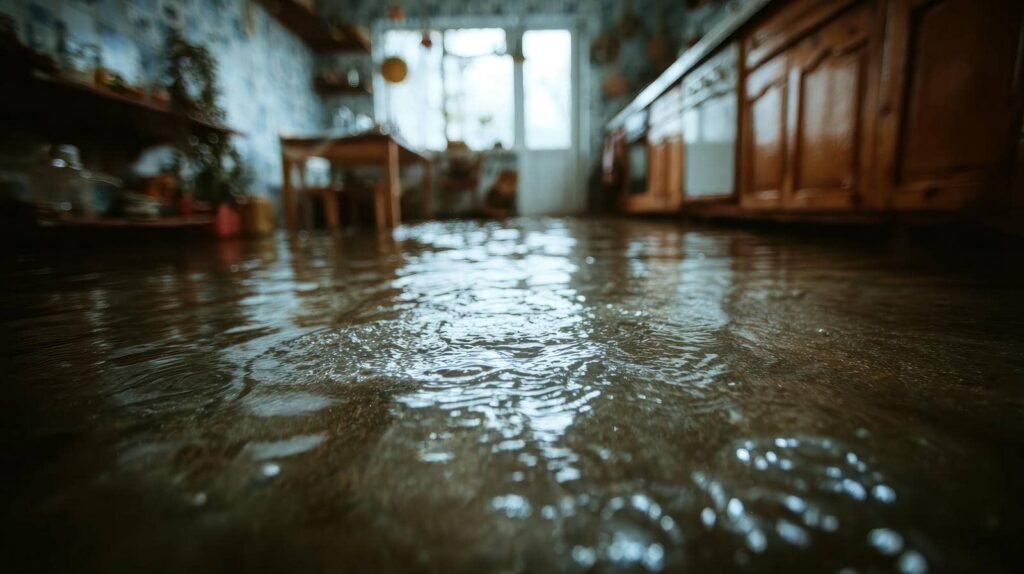
When a flood strikes, it’s vital to act swiftly and safely. Start by evaluating the damage and prioritizing your safety. You’ll want to wear protective gear and check for hazards before entering any affected areas. Once you’re sure it’s safe, documenting the damage is essential for insurance claims. But what comes next in the flood cleanup process? Let’s explore the steps you need to take to restore your space effectively.
Key Takeaways
- Prioritize safety by wearing protective gear and checking for hazards before entering flooded areas.
- Document damage with photos and notes to assist with insurance claims and recovery.
- Remove standing water using pumps or wet/dry vacuums while wearing appropriate safety equipment.
- Use dehumidifiers to dry out the area and prevent mold growth by maintaining optimal humidity levels.
- Clean and sanitize affected surfaces with eco-friendly solutions while ensuring adequate ventilation.
Assessing the Flood Damage
When you’re faced with the aftermath of a flood, evaluating the damage is essential for determining your next steps. Start by documenting everything—take photos and notes of affected areas. This damage assessment will help you understand the extent of the destruction and assist when filing a claim with your flood insurance.
It’s important to know what’s covered, so read through your policy carefully. As you assess, check for structural damage, mold growth, and ruined belongings. Prioritize safety, and if you’re uncertain about something, don’t hesitate to reach out to professionals who can guide you.
Ensuring Safety First
Safety should be your top priority after a flood. Before diving into cleanup, make certain you’re equipped with the right safety equipment. This includes gloves, boots, goggles, and masks to protect yourself from contaminants and debris.
Floodwaters can harbor dangerous substances, so personal protective gear is vital for preventing injuries and illnesses.
Check for hazards like electrical issues or structural damage before entering your home. If you notice any risks, it’s best to wait for professionals to assess the situation.
Keep children and pets away from affected areas to ensure their safety.
Stay informed about local resources and support groups, as they can offer guidance and a sense of community during this challenging time.
Removing Standing Water
Start by evaluating the extent of standing water in your home, as this will guide your cleanup efforts. If you’re facing a significant amount, consider using a flood pump. Flood pump options vary; submersible pumps are effective for deeper water, while utility pumps work for shallower areas.
Next, choose suitable water extraction methods. You might start with a wet/dry vacuum for smaller amounts, ensuring you’re wearing protective gear. For larger volumes, you may need to rent or purchase a pump.
Don’t forget to check for electrical hazards before starting. You’re not alone in this; many have faced similar challenges and found their way through.
Once you’ve removed the standing water, it’s essential to assess the area for damage. This step sets the stage for a more thorough recovery process ahead. Remember, you’re taking important steps toward restoring your home.
Drying and Dehumidifying the Area
Once you’ve removed standing water, it’s essential to focus on drying and dehumidifying the area.
Use dehumidifiers effectively to pull moisture from the air, and keep an eye on humidity levels to prevent mold growth.
Taking these steps will help you restore your space and protect it from further damage.
Remove Standing Water
As soon as you’ve assessed the damage, your next priority should be to remove standing water, as lingering moisture can lead to mold growth and further complications.
Start by using a pump for effective water extraction. Depending on the severity, a submersible pump can quickly get rid of large amounts of water. For smaller areas, a wet/dry vacuum might be your best bet.
Make sure to wear protective gear to keep yourself safe from contaminants. Once you’ve removed the bulk of the water, check for hidden pockets where moisture could linger.
Use Dehumidifiers Effectively
While you’ve already removed standing water, using dehumidifiers effectively is essential for drying and preventing mold growth.
Start by setting your dehumidifier to the ideal settings, usually around 30-60% humidity. This can help you achieve the best results.
Next, think about placement—position the dehumidifier in the most affected areas, preferably in the center of the room for even airflow.
Close off doors and windows to maximize efficiency, allowing the dehumidifier to work its magic.
Don’t forget to regularly check the water reservoir, emptying it as needed.
By taking these steps, you’re not just drying your space; you’re protecting your home and creating a healthier environment for everyone.
You’re not alone in this; we’re all in it together.
Monitor Humidity Levels
After setting up your dehumidifiers, monitoring humidity levels becomes vital to ensure your space dries effectively.
Keeping an eye on humidity control helps prevent mold growth and ensures your home feels safe and comfortable again. Use a hygrometer for accurate moisture measurement; it’ll give you real-time data on your environment.
Aim for indoor humidity levels between 30% and 60%. If levels remain high, increase your dehumidifier’s settings or run additional units.
Don’t hesitate to ventilate the area by opening windows or doors when possible, as fresh air can aid in the drying process.
Cleaning and Sanitizing Affected Surfaces
Once you’ve dried the area, it’s time to assess the damage severity to determine the right cleaning solutions.
You’ll want to focus on surfaces that were in contact with floodwater, as they can harbor harmful bacteria.
Choosing the appropriate cleaning products is essential for effectively sanitizing these areas and ensuring your home is safe.
Assessing Damage Severity
How can you effectively assess the damage caused by flooding?
Start with a thorough damage assessment of your home and belongings. Look for severity indicators like discoloration, warping, or mold growth on walls, floors, and furniture. Pay attention to how far the water reached; higher levels often mean more extensive damage.
Check for structural issues, such as cracks or sagging ceilings, which can signal serious problems. Don’t forget to inspect your electrical systems and appliances, as water exposure can pose safety risks.
Document everything with photos for insurance purposes. Remember, you’re not alone in this; reaching out to friends or professionals can provide support and guidance during this challenging time.
Recommended Cleaning Solutions
When it comes to cleaning and sanitizing surfaces affected by flooding, using the right solutions is essential for preventing mold growth and ensuring your home is safe.
Start with eco-friendly solutions, like vinegar and baking soda, which can effectively disinfect without harsh chemicals. These natural options are safe for your family and gentle on the environment.
If you prefer chemical alternatives, look for products labeled as biodegradable or non-toxic. Always follow the manufacturer’s instructions and wear protective gear.
Don’t forget to ventilate your space while cleaning to avoid inhaling fumes.
Preventing Future Flooding Issues
Although flooding can feel overwhelming, there are proactive steps you can take to prevent future issues. Start by evaluating your property’s drainage systems. Verify they’re clear of debris and functioning properly, as effective drainage can greatly reduce water accumulation.
If you live in a flood-prone area, consider investing in flood barriers. These can provide an extra layer of protection, especially during heavy rains.
Additionally, landscaping plays an important role in flood prevention. Grade your yard away from the foundation and use native plants to absorb water. Regular maintenance of gutters and downspouts is also essential; make certain they direct water away from your home.
Finally, stay informed about local weather patterns and consider flood insurance. By taking these steps, you protect your home and foster a sense of community resilience. Together, you and your neighbors can create a safer environment for everyone.
Frequently Asked Questions
How Long Does Flood Cleanup Typically Take?
Flood cleanup duration can vary, but it typically takes several days to weeks, depending on the damage and response efforts. You’ll want to stay organized and focused to ensure a thorough recovery process.
When Should I Contact a Professional Cleanup Service?
When water floods your home like an uninvited guest, you should contact a professional cleanup service immediately. They use emergency response tactics and advanced cleanup techniques to restore your space, ensuring safety and peace of mind.
Can I File an Insurance Claim for Flood Damage?
Yes, you can file a flood insurance claim for damage. Start the claim process by documenting everything and contacting your insurer. They’ll guide you through the steps, ensuring you get the support you need.
What Personal Protective Equipment Do I Need?
You’ll need proper protective gear like gloves, boots, and masks—essential for your safety. Prioritizing safety measures helps keep you and your loved ones safe.
Are There Any Health Risks From Floodwaters?
Yes, floodwater contamination poses health risks. You might experience symptoms like gastrointestinal issues, skin infections, or respiratory problems. It’s essential to stay safe and avoid contact with floodwaters whenever possible to protect your health.
Recap
As you navigate the aftermath of a flood, think of yourself as a gardener tending to a storm-ravaged landscape. You’ve cleared the debris and nurtured the soil, allowing new growth to flourish. By following these steps, you’re not just restoring your space; you’re cultivating resilience. Equip yourself with knowledge and tools, and watch as your home transforms from a flooded field back into a thriving sanctuary, ready to withstand whatever storms life may bring.