
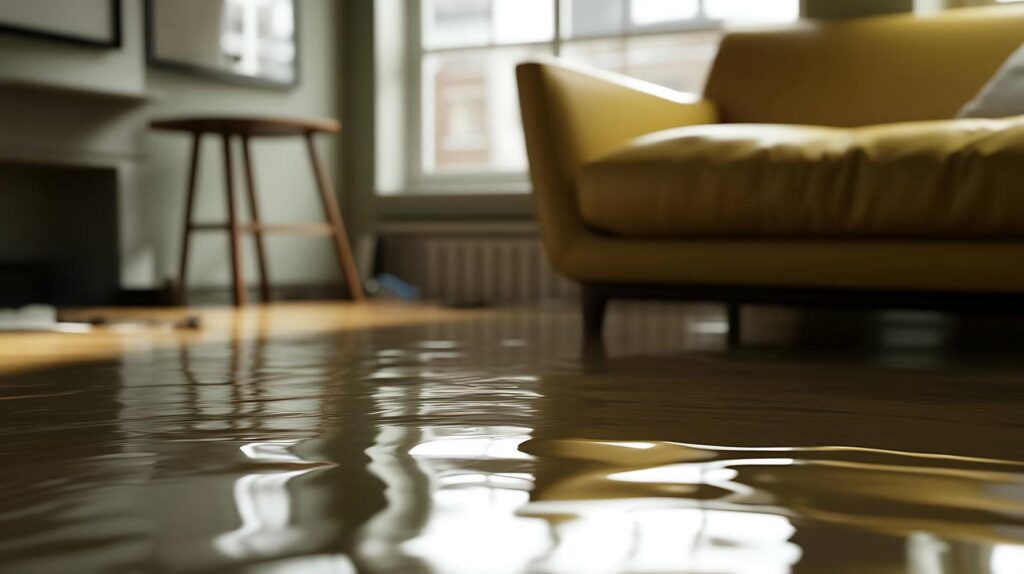
When facing water damage, understanding the steps to file an insurance claim is vital. You need to assess the damage thoroughly and document everything, from the source of the leak to the areas affected. It’s important to review your insurance policy to grasp your coverage. But what comes next? Knowing how to effectively communicate with your insurance company can make all the difference in your claims process.
Key Takeaways
- Assess and document the damage, noting all affected areas and taking photographs to support your claim.
- Review your insurance policy to understand coverage limits, exclusions, and your rights as a policyholder.
- Notify your insurance company promptly, providing detailed documentation of the incident and any damage.
- Gather supporting evidence, including repair estimates and witness statements, to substantiate your claim.
- Maintain thorough communication with your insurer, documenting all interactions and following up on your claim status regularly.
Assess the Damage
When dealing with water damage, a thorough assessment is essential for a successful insurance claim. Start by identifying the water source—whether it’s a burst pipe, roof leak, or flooding. Understanding the origin helps you determine the extent of the damage.
Next, conduct a detailed damage assessment. Inspect walls, floors, and ceilings for discoloration, warping, or mold, as these can indicate serious issues. Document each affected area with photos and notes, capturing the severity and spread of the damage. This information is vital for your claim.
Don’t overlook hidden areas, like basements or crawl spaces, where moisture may linger. Keep track of any repairs you initiate, as this can also support your claim.
Review Your Insurance Policy
After evaluating the damage, the next step is to review your insurance policy to understand your coverage and obligations.
Take the time to read through the specifics of your policy, focusing on the coverage limits. These limits dictate how much you can claim for water damage, so knowing them is essential. Compare your current situation against these limits to gauge how much financial relief you might receive.
Additionally, pay close attention to policy exclusions. Certain types of water damage may not be covered, which can impact your claim considerably. For instance, damages resulting from neglect or maintenance issues might fall under exclusions, leaving you vulnerable to out-of-pocket expenses.
Understanding these elements empowers you to navigate the claims process confidently. By knowing your coverage limits and exclusions, you can prepare effectively, ensuring you’re not caught off guard when it’s time to file your claim.
Document the Incident
Documenting the incident is essential for a successful water damage insurance claim. Start by collecting all relevant details about the event, including the date, time, and nature of the water sources involved, such as burst pipes, leaking roofs, or flooding.
Take clear photographs of the affected areas, ensuring you capture the extent of the damage. This visual evidence will be vital when supporting your claim.
Next, consider utilizing moisture detection tools to assess hidden damage within walls or floors. Document readings and observations, as these can bolster your case.
Create a detailed list of damaged items, including their value and replacement costs.
Keep a record of any conversations with professionals, such as plumbers or restoration experts, as their insights may prove beneficial.
Thorough documentation not only strengthens your claim but also provides peace of mind during a stressful situation.
Notify Your Insurance Company
Once you’ve documented the damage, it’s vital to contact your insurance agent promptly.
This step guarantees you’re aware of your policy coverage and the claims process.
Be prepared to share the details of the incident and provide the documentation you’ve gathered.
Contact Your Agent
As soon as you’ve assessed the damage, your next step is to contact your insurance agent to notify them of the situation.
Effective agent communication is essential at this stage, as your agent can guide you through the claims process and help you understand your coverage.
When you call, provide a detailed account of the damage and any immediate actions you’ve taken. This will set the foundation for your claim.
Stay engaged by requesting claim updates, so you’re always informed about the status of your case.
Document Your Damage
After notifying your insurance agent about the water damage, the next step involves thoroughly documenting the extent of the destruction. This documentation is essential for your claim and can greatly influence the outcome. Be proactive in capturing every detail.
Take clear photographs of the affected areas, focusing on both visible damage and any signs of mold, which can complicate claims.
Record the timeline of events, including when the damage occurred and any water extraction efforts you’ve undertaken.
List all damaged items, including their value and replacement costs, to guarantee you receive fair compensation.
Complete the Claim Form
Completing the claim form is a crucial step in the water damage insurance process, and accuracy is key. This form serves as your official request for compensation, so every detail matters.
Start by providing your personal information, including your policy number, contact details, and the date of the incident. Be sure to clearly describe the extent of the damage, specifying which areas were affected and any immediate actions you took to mitigate further harm.
When filling out the claim form, double-check for any errors or omissions that could delay the submission process. Use clear language and avoid jargon; the goal is to guarantee the claims adjuster fully understands your situation.
Provide Supporting Evidence
To strengthen your water damage insurance claim, you need to provide solid supporting evidence.
Thoroughly document the damage by collecting repair estimates and taking clear photos as soon as possible.
This extensive approach not only substantiates your claim but also helps expedite the claims process.
Document Damage Thoroughly
Documenting damage thoroughly is essential for a successful water damage insurance claim. By conducting a detailed damage assessment, you create a solid foundation for your insurance documentation. Here’s what to focus on:
Photographs: Capture clear images of all damaged areas, including close-ups and wide shots.
Inventory List: Compile a detailed list of affected items, noting their value, condition, and replacement cost.
Witness Statements: If possible, gather statements from neighbors or professionals who can corroborate the extent of the damage.
Taking these steps not only strengthens your claim but also demonstrates your commitment to transparency.
Collect Repair Estimates
Collecting repair estimates is a crucial step in substantiating your water damage insurance claim. To guarantee you present a compelling case, gather detailed contractor estimates that outline repair costs for the damage incurred.
Contact multiple licensed contractors to obtain written quotes that clearly specify the repairs needed and their associated costs. This not only helps you understand the financial implications but also strengthens your claim by providing objective evidence of necessary repairs.
When reviewing estimates, pay attention to the breakdown of labor, materials, and any additional charges. By compiling these contractor estimates, you’ll demonstrate to your insurance company that you’re taking the claim seriously, which can expedite the approval process and help you receive the compensation you need.
Take Photos Immediately
Taking photos immediately after discovering water damage reinforces your insurance claim with visual evidence. Documenting the damage helps you provide clear and undeniable proof of the incident, which is essential for your insurer. Immediate actions can greatly affect your claim’s success.
- Capture the extent of the damage, including affected areas and items.
- Take close-up shots of specific issues, like mold or structural damage.
- Document any standing water or leaks to show the source of the problem.
These photographic evidence pieces not only support your claim but also illustrate the urgency of your situation. When you present well-documented evidence, you’re making it easier for your insurance company to understand the severity of the damage and expedite your claim process.
Follow Up on Your Claim
Once you’ve submitted your water damage insurance claim, it’s crucial to actively follow up to guarantee it progresses smoothly. Regularly checking in on your claim status helps you stay informed and guarantees that your insurer processes everything correctly.
Start by noting key dates, like when you filed your claim, and set reminders to reach out. Use various follow-up methods—phone calls, emails, or even online portals—depending on your insurer’s preferred communication channels.
When you contact them, ask specific questions about your claim status and any outstanding documentation they may need. Document each interaction, including dates and names of representatives you speak with, to maintain a clear record.
Being proactive not only shows your commitment but also fosters a sense of belonging in the claims process. Remember, staying engaged can lead to a quicker resolution, allowing you to focus on restoring your property and peace of mind.
Understand Your Rights and Responsibilities
Understanding your rights and responsibilities during the water damage insurance claims process is essential for ensuring you receive the coverage you’re entitled to.
Familiarizing yourself with your insurance rights can empower you to advocate effectively for your needs. It’s equally important to recognize your policy responsibilities, as fulfilling them can greatly influence the outcome of your claim.
- Review your policy details to know what’s covered and any exclusions.
- Document all communications with your insurance company to maintain transparency.
- Meet deadlines for submitting claims and providing any requested information.
Frequently Asked Questions
How Long Does It Take to Process a Water Damage Claim?
Processing a water damage claim typically takes anywhere from a few days to several weeks, depending on the claim duration and complexity. Understanding the processing timeline can help you manage expectations during this challenging time.
Will My Insurance Premium Increase After Filing a Claim?
Yes, your insurance premium might increase after filing a claim. Insurers often assess claim frequency and severity, so multiple claims can lead to higher premiums, impacting your overall insurance costs in the long run.
Can I Choose My Own Contractor for Repairs?
Absolutely, you can choose your own contractor for repairs. Just make certain they align with your insurer’s guidelines, as contractor selection can impact the repair process and your claim’s approval. Happy rebuilding!
What if My Claim Is Denied?
If your claim’s denied, review the reasons carefully. You can file a claim appeal, addressing any misunderstandings or missing information. Also, check your policy’s coverage limits to guarantee you understand what’s included.
Is There a Deadline to File a Water Damage Claim?
Yes, there’s a deadline to file your water damage claim, usually within a year. Keep your policy coverage in mind; timely claim submission guarantees you don’t miss out on potential relief and support during recovery.
Recap
As you navigate the waters of filing your water damage insurance claim, remember that each step you take is essential. The right documentation and timely communication can make all the difference. But what happens if your claim is denied or delayed? The stakes are high, and understanding your rights and responsibilities could change the outcome. Stay vigilant and proactive—your home’s recovery may depend on it. Are you ready to dive deeper into this process?