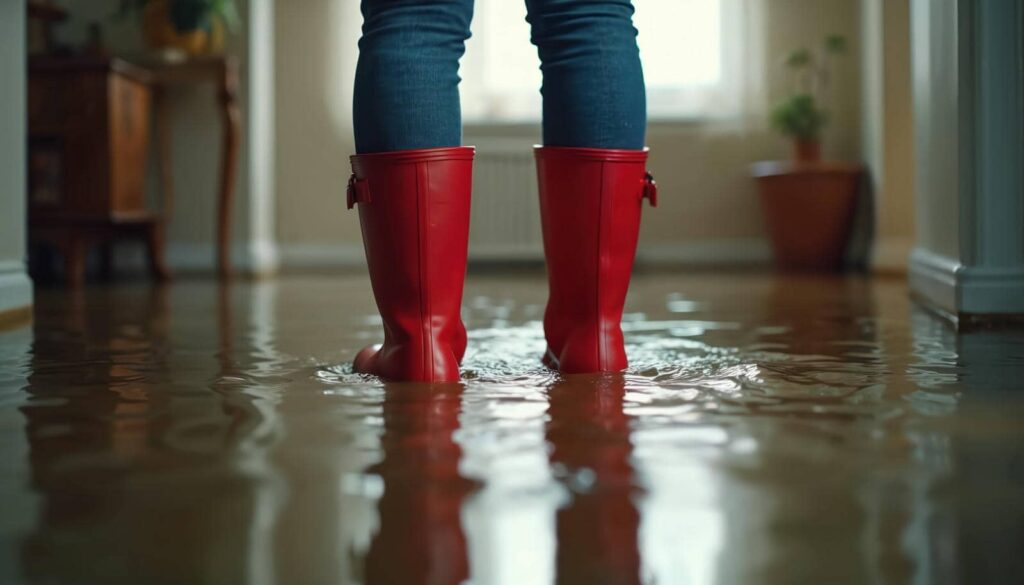
When disaster strikes and floodwaters invade your home, it’s vital to act swiftly and safely. You’ll need to assess the damage while ensuring your safety before stepping back inside. Once you’re clear on the situation, effective water removal becomes your priority. But that’s just the beginning; preventing future issues is equally important. Let’s explore these essential tips to navigate the flood cleanup process effectively.
Key Takeaways
- Wear protective gear, including gloves and masks, to safeguard against contaminants in floodwaters.
- Conduct a thorough damage evaluation to identify hazards and document findings for insurance claims.
- Use submersible pumps for large areas and wet/dry vacuums for smaller spaces to remove standing water.
- Promote airflow and drying by opening windows, using fans, and employing dehumidifiers to prevent mold growth.
- Assess and maintain drainage systems regularly to mitigate future flood risks and ensure effective water management.
Assessing the Damage and Ensuring Safety
As you begin the cleanup after a flood, it’s essential to assess the damage while ensuring your safety. Start by wearing protective gear such as gloves, boots, and masks to shield yourself from harmful contaminants.
Conduct a thorough damage evaluation of your property. Look for structural issues, electrical hazards, and any signs of mold growth. Document everything with photos and notes for insurance purposes.
If you notice significant structural damage, don’t hesitate to contact professionals. They can provide expert insights and ensure your home is safe for re-entry.
Keep in mind that floodwaters may hide dangerous debris or sharp objects, so tread carefully.
Following these safety precautions not only protects you but also helps you make informed decisions during the cleanup process.
Effective Water Removal Techniques
Once you’ve assessed the damage and confirmed your safety, it’s time to tackle the water removal process.
Start by using effective pumping methods to remove standing water. A submersible pump is ideal for larger areas, while a wet/dry vacuum can help with smaller spaces. Make sure to keep the power source safe from water to avoid any hazards.
Once the bulk of the water is removed, turn your attention to drying techniques. Open windows and doors to promote airflow, and use fans or dehumidifiers to expedite the drying process.
Removing soaked carpets and furniture can also help prevent mold growth.
Keep an eye on moisture levels, as lingering dampness can lead to further issues.
By employing these methods diligently, you can reclaim your space and ascertain a healthier environment for everyone involved.
Your proactive efforts make a difference in recovery and restoration.
Preventing Future Flooding and Damage
To effectively prevent future flooding and damage, it’s crucial to assess and address the factors that contribute to water intrusion.
Start by evaluating your drainage systems. Confirm they’re clear of debris and functioning properly. If you notice pooling or slow drainage, it might be time to upgrade or expand your systems.
Consider installing flood barriers around your property, particularly in vulnerable areas. These barriers can effectively redirect water away and minimize the risk of flooding during heavy rains.
Additionally, maintain your landscaping to promote proper drainage. Grading soil away from your home and using native plants can help absorb excess water.
Finally, stay informed about your local flood risks and participate in community efforts to improve drainage infrastructure.
Frequently Asked Questions
What Should I Do With Contaminated Floodwater?
You should dispose of contaminated floodwater safely by following local regulations. Wear protective gear, including gloves and masks, while handling it. Always prioritize safety precautions to protect yourself and others from harmful pathogens.
How Can I Salvage Important Documents After Flooding?
To salvage important documents after flooding, act quickly. Use drying methods like air circulation and blotting. For delicate items, consider professional document preservation services to ensure their integrity and restore your peace of mind.
When Should I Call a Professional for Help?
You should call a professional for help if flood damage is extensive, affecting structural integrity, or causing mold. Their expert services ensure a thorough cleanup, protecting your home and peace of mind from further complications.
Are There Health Risks Associated With Flood Cleanup?
Yes, floodwater exposure can pose serious health risks, including infections and respiratory issues. Additionally, mold growth can occur quickly, leading to further complications. It’s essential to take precautions and seek professional help when needed.
What Insurance Coverage Should I Check for Flood Damage?
Check your flood insurance policy for coverage details and specific policy exclusions. It’s essential to understand what’s included, as well as any limitations, to ensure you’re adequately protected against potential flood damage.
Final Thoughts
In the aftermath of a flood, taking swift action is key to safeguarding your home and health. By evaluating the damage, removing water, and preventing future issues, you’re not just cleaning up; you’re reclaiming your space. Remember, every moment counts as you battle against the tide of potential mold and destruction. Equip yourself with knowledge and tools, and you’ll navigate this storm with confidence, ensuring your home stands strong against whatever comes next.