
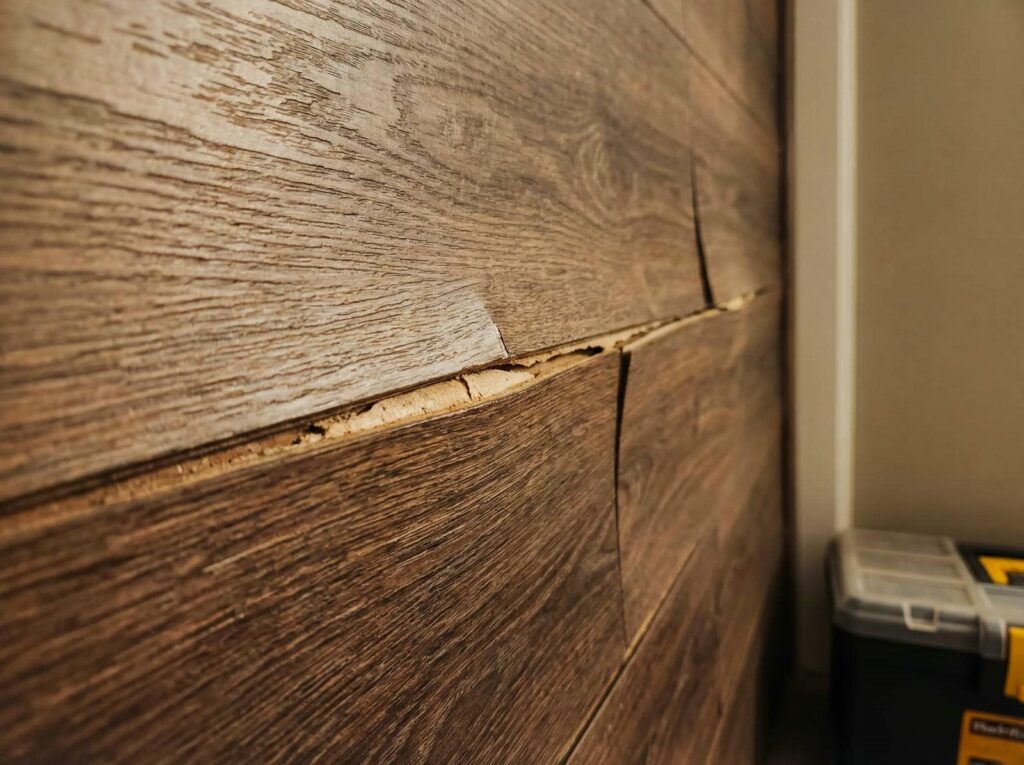
After flooding, preventing mold growth is essential for maintaining a safe environment. You need to act quickly to remove standing water and thoroughly dry affected areas. It’s not just about getting rid of the water; you must also enhance air circulation and monitor humidity levels. Understanding the right mold prevention steps can make all the difference in preventing mold. Are you aware of the best practices to implement during this pivotal period?
Key Takeaways
- Remove standing water immediately to prevent mold growth and contamination.
- Thoroughly dry out affected areas using fans, dehumidifiers, and proper ventilation.
- Inspect hidden spaces for trapped moisture, such as behind appliances or under cabinets.
- Maintain indoor humidity levels between 30-50% to inhibit mold development.
- Regularly monitor for condensation on windows and pipes, addressing any moisture issues promptly.
Act Quickly to Remove Standing Water
After flooding, it’s essential to act quickly to remove standing water from your property. A prompt flood response is vital to prevent further damage and mitigate health risks associated with mold growth.
Start by evaluating the extent of the water intrusion; this will guide your water extraction efforts. Use pumps or wet vacuums to eliminate standing water effectively. If the area is extensive, consider enlisting professional help for efficient water extraction.
Make sure to wear protective gear during the process, as contaminated water can pose health hazards. Time is of the essence; the longer water sits, the higher the chance for mold spores to flourish.
Focus on areas prone to moisture, like basements and crawl spaces. By prioritizing rapid water removal, you not only protect your property but also foster a healthier environment for you and your loved ones.
Your proactive measures today can make a significant difference tomorrow.
Dry Out Affected Areas Thoroughly
To prevent mold growth, it’s essential that you dry out all affected areas thoroughly.
After water damage, any moisture left behind can create a breeding ground for mold. Act swiftly and follow these steps to ensure everything dries properly:
- Remove soaked carpets and rugs to prevent retention of moisture.
- Use fans or dehumidifiers to enhance evaporation and lower humidity levels.
- Wipe down walls, floors, and surfaces with a clean cloth to eliminate residual water.
- Inspect hidden areas, like behind appliances or under cabinets, for trapped moisture.
- Check insulation, as it can retain water and promote mold growth if not dried adequately.
Increase Air Circulation
Increasing air circulation is essential in the aftermath of flooding to effectively combat mold growth. By implementing ventilation techniques, you can drastically reduce humidity levels, making it harder for mold to establish itself.
Open windows and doors to create cross-ventilation; this will help exchange moist air for drier air. If possible, utilize exhaust fans in bathrooms and kitchens to enhance airflow.
Consider using box fans to direct airflow throughout the affected areas. Position them strategically to push air toward open windows, facilitating a more efficient drying process.
You might also want to use ceiling fans on a low setting to promote consistent air movement.
Use Dehumidifiers and Fans
To effectively prevent mold growth after flooding, using dehumidifiers and fans is essential.
These tools help optimize air circulation and maintain humidity levels, creating an environment less conducive to mold development.
Optimize Air Circulation
Effective air circulation is essential in preventing mold growth after flooding, and using dehumidifiers and fans can greatly enhance this process.
By employing various airflow techniques and ventilation strategies, you can create an environment that discourages mold development. Here are some tips to improve air circulation:
- Place dehumidifiers in flood-affected areas to reduce moisture.
- Use fans to promote airflow and help dry surfaces quickly.
- Open windows and doors when the weather permits to increase natural ventilation.
- Make sure furniture is spaced apart to allow air to circulate freely.
- Regularly check and maintain your HVAC system for peak performance.
Implementing these strategies will help you create a mold-free environment and promote a sense of belonging within your home.
Maintain Humidity Levels
Maintaining ideal humidity levels is fundamental in preventing mold growth after flooding. To achieve effective humidity control, use dehumidifiers and fans to facilitate moisture management in your space.
Dehumidifiers help extract excess moisture from the air, keeping humidity levels below 60%, where mold thrives. Position fans strategically to promote air circulation, helping dry out damp areas more quickly.
It’s important to monitor humidity levels regularly with a hygrometer to ensure you’re staying within a safe range. Remember, mold can develop within 24 to 48 hours in moist conditions, so prompt action is critical.
Clean and Disinfect Surfaces
Although flooding can cause significant damage, promptly cleaning and disinfecting surfaces is crucial to prevent mold growth. Start by using appropriate cleaning agents and effective disinfection methods to ensure all affected areas are properly treated.
Here are some key steps to follow:
- Remove debris: Clear away any remaining water and debris from the surfaces.
- Use specific cleaning agents: Choose detergents that are effective against mold and mildew.
- Apply disinfection methods: Use a bleach solution (1 cup of bleach to 1 gallon of water) or commercial disinfectants to sanitize surfaces.
- Scrub thoroughly: Confirm you scrub surfaces well to remove any mold spores and dirt.
- Rinse and dry: After cleaning, rinse the surfaces with clean water and dry them completely to inhibit future mold growth.
Remove and Replace Damaged Materials
After flooding, it’s essential to remove and replace any damaged materials to prevent mold growth and structural issues.
Start by identifying all affected areas, including drywall, insulation, and carpeting. Any materials that have absorbed water should be treated as damaged materials and removed immediately, as they can become breeding grounds for mold.
When considering replacement options, choose materials that are mold-resistant, such as treated wood, synthetic carpets, or moisture-resistant drywall.
These options help mitigate mold risks and provide durability and longevity.
Ensure that replacements are properly installed and sealed to minimize future moisture penetration.
Engaging professionals for this process can provide additional assurance that the job is done right.
Monitor Humidity Levels
Once you’ve removed and replaced damaged materials, keeping an eye on humidity levels becomes essential for preventing mold growth.
High humidity can create an environment where mold thrives, so you need effective humidity control. Here are some tips to help you monitor humidity levels:
- Use a hygrometer for accurate humidity measurement.
- Aim to keep indoor humidity between 30-60%.
- Ventilate your home by opening windows or using exhaust fans.
- Invest in a dehumidifier if necessary, especially in damp areas.
- Regularly check for condensation on windows and pipes.
Conduct Regular Inspections for Signs of Mold
To effectively combat mold growth, you should conduct regular inspections throughout your home, particularly in areas prone to moisture.
Begin your mold inspection in basements, bathrooms, and around windows, where dampness often accumulates. Look for visible signs like discoloration on walls, a musty odor, or peeling paint—each could indicate mold presence.
In addition to visual checks, consider using mold detection tools or hiring professionals for thorough assessments. These methods can identify hidden mold in hard-to-reach places, ensuring you don’t overlook potential hazards.
Create a routine schedule for these inspections, ideally every few months, especially after heavy rainfall or flooding.
By staying proactive, you protect your home and foster a safe, healthy environment for yourself and your loved ones.
Frequently Asked Questions
What Types of Materials Are Most Susceptible to Mold Growth?
Wood surfaces and fabric upholstery are highly susceptible to mold growth due to their porous nature. If you’re not careful with moisture control, these materials can quickly become breeding grounds for mold and mildew.
Can I Use Bleach to Kill Mold Effectively?
You can use bleach to kill mold, but its effectiveness is limited to non-porous surfaces. For better results, consider mold alternatives like vinegar or hydrogen peroxide, which penetrate porous materials more effectively and prevent future growth.
How Long Does It Take for Mold to Start Growing After Flooding?
Mold’s like a clock ticking; in the flooding aftermath, it can start growing within 24 to 48 hours. Understanding this mold growth timeline helps you act swiftly to protect your home and health.
What Are the Health Risks Associated With Mold Exposure?
Mold exposure can trigger mold allergies, causing sneezing, itching, and rashes. It may also lead to respiratory issues, such as asthma attacks and chronic coughing, particularly in sensitive individuals, making a safe environment essential for everyone.
When Should I Call a Professional for Mold Remediation?
You should call a professional for mold remediation when you notice extensive mold growth, experience health issues, or suspect hidden mold. A mold inspection helps identify the problem, ensuring effective remediation services restore your environment safely.
Final Thoughts
By taking swift action and implementing these mold prevention strategies, you’re not just fighting against an inevitable foe; you’re becoming the hero of your own home. Think of it as building an invisible fortress against mold, where vigilance and diligence are your greatest allies. Keep your environment dry, well-ventilated, and regularly inspected, and you’ll ensure your living space remains a sanctuary, free from the shadows of mold. Stay proactive, and you can thwart this unwelcome intruder.