Many homeowners underestimate the importance of acting quickly after water damage occurs. If you don’t address the issue promptly, it can lead to bigger problems, like mold growth. You’ll need to assess the situation carefully and take the right steps to restore your space. Knowing how to handle it effectively can save you time and money. So, what should you do first when disaster strikes?
Key Takeaways
- Identify the source of water damage and stop it to prevent further issues before starting cleanup.
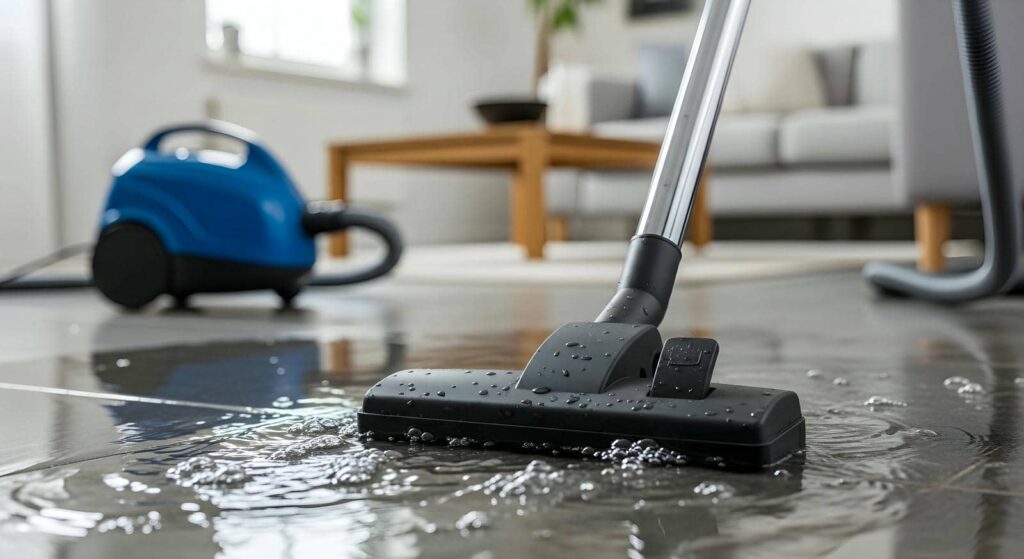
- Use a wet/dry vacuum to efficiently extract standing water from affected areas.
- Open windows and use fans and dehumidifiers to promote airflow and accelerate drying.
- Inspect and clean hidden areas, such as behind cabinets and under carpets, for trapped moisture.
- Document the damage with photos for insurance claims and track the progress of the cleanup.
Assessing the Extent of Water Damage
When water damage strikes, evaluating its extent is your first step toward effective cleanup. Start with water source identification; pinpoint where the water’s coming from. This could be a leaky pipe, flooding, or an overflowing appliance. Once you know the source, you can tackle the problem directly.
Next, employ damage evaluation techniques to gauge how far the water has spread. Check walls, floors, and ceilings for discoloration or warping—these are signs of moisture infiltration. Use a moisture meter if you have one; it’ll provide precise readings of damp areas.
Don’t forget to inspect hidden spots like behind cabinets or under carpets. Document everything with photos; this’ll help you keep track of the damage and is useful for insurance claims.
Safety Precautions Before Cleanup
Before diving into the cleanup process, it’s crucial to prioritize your safety. Water damage can pose various risks, including electrical hazards and contamination.
To protect yourself, follow these safety precautions:
Wear personal protective equipment (PPE) such as gloves and masks to shield yourself from mold and bacteria.
Verify the power is off in affected areas to prevent electric shocks.
Use a sturdy pair of waterproof boots to keep your feet dry and safe from sharp objects.
Essential Tools and Materials for Cleanup
Having the right tools and materials can make all the difference in effectively tackling water damage cleanup.
Start with essential cleaning supplies like mops, buckets, and sponges, which help you remove standing water. A wet/dry vacuum is invaluable for sucking up excess moisture from carpets and floors. Don’t forget personal protective equipment, such as gloves and masks, to keep you safe from mold and contaminants.
You’ll also need fans and dehumidifiers to speed up the drying process and prevent further damage. A moisture meter can help you identify hidden damp areas that need attention.
Lastly, stock up on disinfectants and mold removers to ensure a thorough clean.
Having these tools ready empowers you and fosters a sense of belonging in your home, knowing you’re taking action to restore it.
Step-by-Step Water Removal Techniques
To effectively remove water from your space, follow these five vital steps tailored for ideal results.
First, start with furniture removal to prevent damage and allow for easier access to the affected areas.
Next, use a wet/dry vacuum or a submersible pump for efficient water extraction. Be certain to work from the farthest corner of the room towards the exit to avoid trapping water.
- Check for hidden pockets of water under carpets or behind walls.
- Use towels or mops to soak up residual moisture.
- Dispose of any damaged materials responsibly.
Finally, confirm that you check all nooks and crannies for lingering moisture.
By following these steps, you’ll protect your belongings and create a safer environment for you and your loved ones.
Tackle the water removal process with confidence; you’re taking vital steps toward restoring your space.
Drying and Dehumidifying Affected Areas
Effective drying and dehumidifying of affected areas is essential in preventing mold growth and further damage after water intrusion. Start by opening windows and doors to enhance airflow, utilizing ventilation techniques to promote natural drying.
If possible, use fans to circulate air, directing them towards damp surfaces. Dehumidifiers are your best friends in this process; they help extract excess moisture from the air, speeding up drying.
While you’re at it, keep an eye on moisture levels with a moisture monitoring device. This will ensure you’re aware of lingering dampness that could lead to problems down the line.
Check areas like walls, carpets, and furniture regularly; if they feel damp, continue drying efforts until everything is completely dry.
Preventing Future Water Damage
Once you’ve successfully dried and dehumidified the affected areas, it’s time to think about how to prevent future water damage.
Implementing effective waterproofing measures and drainage solutions is essential for safeguarding your home.
- Seal cracks in your foundation with high-quality waterproof sealants.
- Install gutters and downspouts directing rainwater away from your property.
- Use sump pumps in flood-prone areas to keep water levels low.
Frequently Asked Questions
How Can I Identify Hidden Water Damage in My Home?
To identify hidden water damage, check for hidden leaks by inspecting walls and ceilings for discoloration. Use a moisture detection meter to pinpoint damp areas, ensuring you address issues before they escalate into bigger problems.
What Are the Signs of Mold Growth After Water Damage?
Look for signs like musty odors, discoloration on walls, or increased allergy symptoms. Addressing these early can reduce health risks and keep your home safe.
Can I Use a Regular Vacuum for Water Cleanup?
You can’t use a regular vacuum for water cleanup; it’s not designed for water extraction. Instead, opt for a wet/dry vacuum, which effectively handles liquid and keeps your space safe and dry.
How Long Does It Take for Water Damage to Worsen?
Water damage worsens fast, often within 24 to 48 hours. As time ticks, you’ll witness damage progression, like a creeping shadow, so act quickly to halt the water damage timeline and protect your space.
Should I Contact Professionals for Minor Water Damage Issues?
For minor water damage issues, you should consider contacting professionals. They provide a thorough assessment, ensuring no hidden problems persist. It’s a practical choice that offers peace of mind and helps maintain your home’s integrity.
Conclusion
Now that you’ve tackled the initial steps of water damage cleanup, the real test lies ahead. Will your home emerge unscathed, or will hidden moisture become a breeding ground for mold? By remaining vigilant and following these effective methods, you can secure your space against future threats. Don’t let the aftermath overwhelm you—stay proactive, keep monitoring for dampness, and remember, the success of your cleanup depends on your attention to detail and commitment to prevention.