When water decides to make an unexpected entrance, it’s essential to act swiftly to minimize disruption. You’ll want to assess the water removal situation carefully and take immediate steps to prevent further damage. Knowing which techniques to employ can make all the difference. From sump pumps to wet-dry vacuums, each method has its purpose and effectiveness. What’s your first move in the face of this challenge?
Key Takeaways
- Utilize submersible or pedestal sump pumps for effective water extraction based on the area size and water depth.
- Clear debris from the affected area to ensure unobstructed suction for pumps and vacuums.
- Use portable vacuum units for small areas and larger models for extensive water removal.
- Monitor pump operation closely for any signs of malfunction and adjust settings as necessary.
- Wear protective gear and cut off electricity at the main circuit breaker for safety during removal.
Assessing the Water Damage Situation
Before you can effectively remove water from your space, you need to assess the situation thoroughly. Start with a water level assessment; pinpoint how deep the water is and identify the areas most affected. This will guide your next steps.
Next, classify the damage: is it clean water, gray water, or black water? Understanding this classification helps you determine the necessary precautions and the urgency of your response.
Look for structural damage, such as warped floors or compromised walls, and take note of any hazardous materials that may be present. Document everything with photographs or notes; this record can be essential for insurance claims.
Immediate Power Shut-off Procedures
When dealing with water emergencies, your first step is to identify the power source connected to the affected area.
Quickly and safely cutting off the electricity can prevent further hazards, such as electrical shocks or fires.
Prioritizing this action ensures a safer environment for you and any responders.
Identify Power Source
Identifying the power source quickly is essential as you prepare for emergency water removal. Ensuring power safety protects both you and the property.
Follow these steps to locate energy sources efficiently:
- Inspect the area: Walk through to identify outlets and appliances affected by water.
- Check the main panel: Locate the main electrical panel to understand the layout of circuits.
- Look for shut-off switches: Identify any emergency shut-off switches near water-prone areas.
- Assess backup systems: Determine if there are any generators or battery backups that need attention.
Safely Cut Electricity
As soon as you’ve assessed the situation and determined that water has compromised electrical systems, it’s crucial to cut the electricity immediately to prevent hazards.
Begin by locating your main circuit breaker, usually found in a basement or utility area. Turn off the power to the affected areas to ensure electrical safety. If you’re unsure how to operate the breaker, don’t hesitate to call a professional.
Always wear rubber-soled shoes and avoid standing in water while doing this. Remember, water hazards can lead to severe injuries or fatal shocks.
Utilizing Sump Pumps for Water Removal
Sump pumps are vital tools for effective water removal, especially in flood-prone areas or during heavy rainstorms.
If you want to manage water intrusion effectively, consider these key factors:
- Sump Pump Types: Choose between submersible and pedestal pumps based on your space and needs.
- Maintenance: Regularly check and clean your sump pump to ensure peak performance and prevent future issues.
- Installation: Proper installation is essential—make sure it’s situated in the lowest part of your basement or crawl space.
- Power Supply: Verify your sump pump has a reliable power source, and consider a backup battery system for emergencies.
Employing Wet-Dry Vacuums Effectively
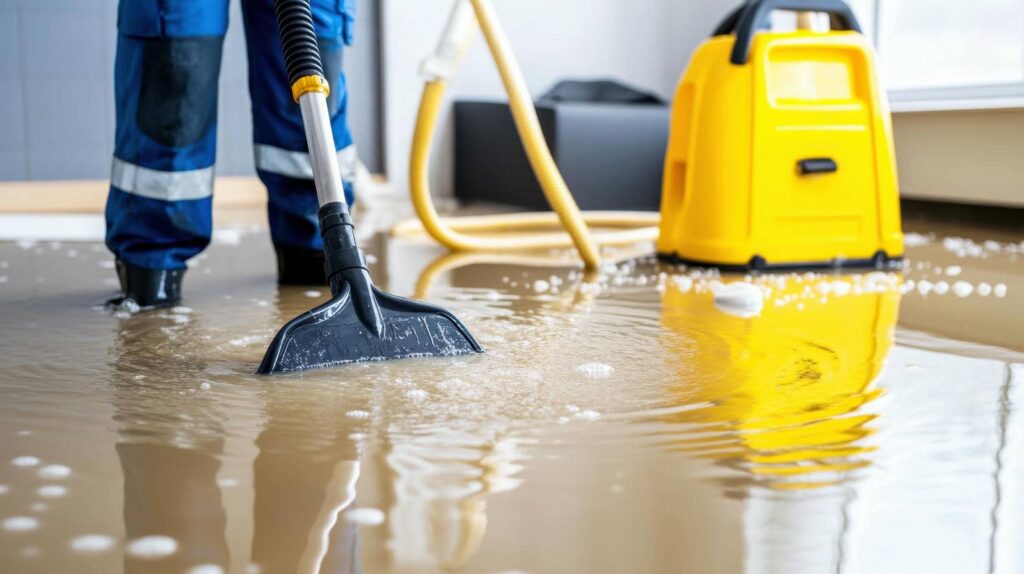
When dealing with water removal, employing wet-dry vacuums can be an efficient and versatile solution. Understanding the different wet and dry vacuum types is essential for effective use. For instance, portable models are great for small areas, while larger, stationary ones tackle bigger volumes.
To maximize your vacuum’s efficiency, follow some vacuum operation tips. Start by removing any debris from the area to ensure unobstructed suction. Adjust the vacuum settings according to the type of water—whether it’s clean, dirty, or even sludge.
Make certain to empty the tank frequently to maintain peak suction power.
Lastly, keep safety in mind; always wear gloves and avoid electrical hazards. By mastering these techniques, you’ll expedite the water removal process and will gain confidence in handling emergencies, fostering a sense of belonging to a community that values preparedness.
Strategic Use of Dehumidifiers
To maximize the effectiveness of dehumidifiers in water removal, consider their ideal placement within the affected area.
Positioning these units strategically allows for better airflow and faster moisture extraction.
Additionally, regular maintenance ensures they operate at peak efficiency, enhancing your overall water removal strategy.
Optimal Placement Strategies
Strategically placing dehumidifiers can greatly enhance the efficiency of water removal during an emergency.
To maximize the effectiveness of your ideal equipment, consider these placement strategies:
- Central Location: Position dehumidifiers in the middle of affected areas for balanced airflow.
- Near Water Sources: Place units close to the most saturated spots to expedite moisture extraction.
- Elevated Surfaces: Use surfaces like tables or counters to enhance airflow and improve performance.
- Avoid Obstructions: Make sure dehumidifiers have strategic access to open areas without any barriers blocking airflow.
Maintenance and Efficiency Tips
While effective placement is essential, proper maintenance of dehumidifiers is equally important for maximizing their efficiency during water removal.
Regularly clean the filters to ensure efficient equipment operation; clogged filters can greatly reduce performance. Monitor humidity levels to adjust settings as needed, optimizing energy use.
For long-term maintenance, schedule routine inspections to catch potential issues early. Additionally, make sure that the unit’s drainage system is clear to prevent water buildup.
By taking these proactive steps, you extend the life of your dehumidifiers and enhance their effectiveness in critical situations.
This approach fosters a sense of belonging within your community, as you share best practices for handling water emergencies with your neighbors.
Creating Ventilation for Faster Drying
Creating effective ventilation is essential for accelerating the drying process after water damage. By enhancing air circulation, you can greatly reduce moisture levels, preventing mold growth and structural damage.
Here are four ventilation methods to implement:
- Open Windows and Doors: This simple step allows fresh air to flow, expediting the drying process.
- Use Fans: Positioning fans strategically creates powerful air circulation, pushing moist air out and drawing in drier air.
- Dehumidifiers: These devices not only reduce humidity but also improve air circulation, making the surrounding environment less conducive to mold.
- Create Cross-Ventilation: Open multiple entry points to establish a flow of air, ensuring that moisture doesn’t linger in any specific area.
Using Absorbent Materials for Spot Removal
When tackling water damage, using absorbent materials for spot removal can be highly effective. Start by employing absorbent pads designed specifically for this purpose. These pads are engineered to soak up excess water quickly, allowing you to target the most affected areas efficiently.
You’ll find that their moisture-wicking properties help pull water away from surfaces, minimizing the risk of lasting damage. To maximize their effectiveness, place the absorbent pads directly on the wet spots and allow them to sit for a while.
Check periodically, replacing them as they become saturated. This proactive approach speeds up the drying process and helps maintain the integrity of your flooring and furniture.
Implementing Heavy-Duty Fans
To effectively combat water damage, implementing heavy-duty fans is essential for accelerating the drying process. The right fan types enhance airflow management, ensuring moisture evaporates quickly and effectively.
Here’s how to optimize your fan usage:
- Choose the Right Type: Opt for axial fans for large areas and high-velocity fans for targeted spots.
- Position Strategically: Place fans to create cross-ventilation; this maximizes airflow across wet surfaces.
- Adjust Speeds: Use variable speed settings to control airflow intensity, adapting to different drying needs.
- Monitor Humidity: Keep an eye on humidity levels; adjust fan placement and speed based on real-time conditions.
Professional Water Damage Restoration Services
While you may be tempted to tackle water damage on your own, professional water damage restoration services offer a level of expertise and efficiency that can greatly mitigate the consequences of flooding or leaks.
These specialists are trained in advanced restoration techniques, ensuring that every aspect of water damage is addressed, from extraction to drying and mold prevention. By utilizing state-of-the-art equipment, they can expedite the recovery process, reducing the risk of long-term damage.
Moreover, their knowledge of water damage prevention strategies can help protect your home in the future. They assess potential vulnerabilities and provide tailored recommendations to minimize risks.
Choosing a professional service restores your property and fosters a sense of security and belonging within your community. You can trust that experts will handle the situation, allowing you to focus on what truly matters—your family and peace of mind.
Frequently Asked Questions
What Personal Protective Equipment Is Recommended During Water Removal?
During water removal, you should wear safety goggles to protect your eyes and rubber gloves to safeguard your hands. These essential pieces of personal protective equipment ensure your safety while effectively managing the situation.
How Can I Prevent Mold Growth After Water Removal?
Think of your space as a garden; without care, weeds—mold—will sprout. Implement mold prevention strategies, like humidity control methods, ensuring air circulation, and dehumidifiers, so you cultivate a healthy, welcoming environment for everyone.
Are There Any DIY Solutions for Minor Water Removal?
For minor water removal, you can use suction pumps to extract excess water. Additionally, natural dehumidifiers like bowls of salt or charcoal help absorb moisture, creating a drier environment and preventing further issues.
How Long Does It Usually Take for a Space to Dry Completely?
Typically, drying time varies based on factors like humidity and airflow. You should conduct a moisture assessment to determine the extent of dampness, ensuring you address all areas efficiently for ideal results.
What Insurance Coverage Typically Applies to Water Damage Restoration?
Typically, your homeowner’s insurance covers water damage restoration, but it’s essential to check if flood insurance applies for specific incidents. Understanding your restoration coverage can help you prepare for unexpected water damage situations effectively.
Review
In the battle against water damage, you’re the vigilant captain steering your ship through stormy seas. By swiftly evaluating the situation and deploying the right tools—sump pumps, vacuums, and dehumidifiers—you’ll navigate toward calm waters. Remember, each technique is a lifeline, ensuring your vessel remains afloat, free from the clutches of mold and structural decay. Stay proactive, maintain your equipment, and you’ll emerge victorious, ready to face whatever challenges lie ahead in the aftermath of the deluge.