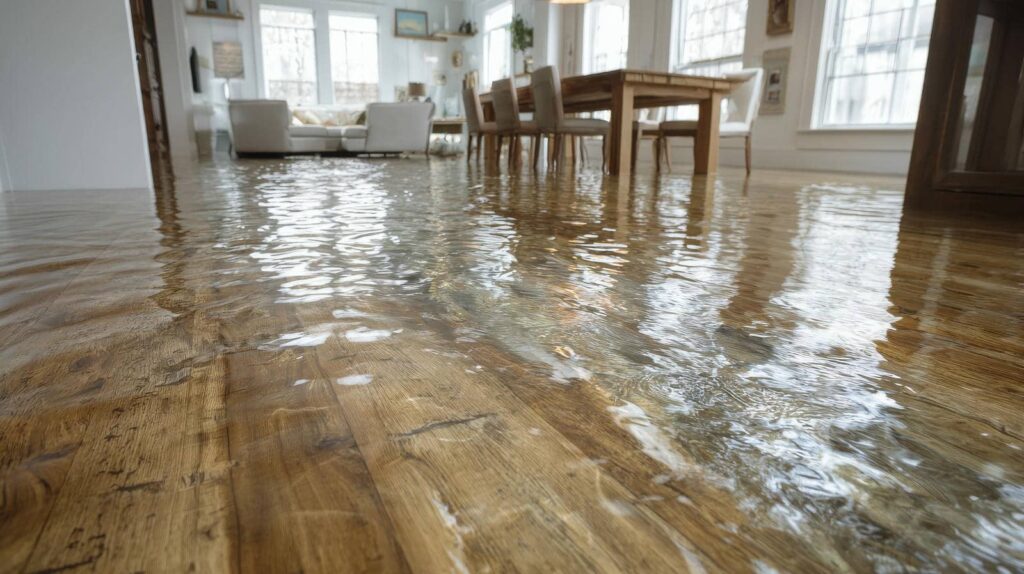
When faced with flood damage, it’s vital to follow best practices to minimize loss and restore your space effectively. Start by ensuring safety, then assess the damage thoroughly. Proper documentation is key. After that, you’ll need to implement effective water removal techniques to address the immediate problem. Understanding how to approach each step methodically can make all the difference in the restoration process. What comes next is essential for preventing further complications.
Key Takeaways
- Prioritize safety by turning off electricity and gas, wearing protective gear, and keeping children and pets away from flooded areas.
- Conduct a thorough damage assessment, documenting all damages with photos and notes for insurance claims and restoration planning.
- Remove standing water promptly using submersible pumps for extensive flooding and wet vacuums for smaller areas to prevent further damage.
- Implement drying procedures with high-capacity dehumidifiers and fans to ensure all areas are thoroughly dried, and moisture levels are monitored.
- Take preventive measures against mold by inspecting hidden areas, maintaining low humidity, and acting quickly on any signs of dampness or musty odors.
Assessing the Damage and Ensuring Safety
When you’re faced with flood damage, it’s essential to prioritize safety before evaluating the extent of the destruction. Start by ensuring your immediate environment is secure. Turn off electricity and gas to prevent dangerous hazards. Wear protective gear like gloves and boots to shield yourself from contaminants.
Next, conduct a thorough damage evaluation. Look for signs of structural damage, mold, and hazardous materials. Document everything with photos and notes, as this will aid in insurance claims and restoration processes.
Follow established safety protocols, such as keeping children and pets away from affected areas. If you encounter standing water, avoid direct contact, as it may contain harmful substances.
Effective Water Removal Techniques
Effective water removal is vital in minimizing flood damage and preventing further complications, such as mold growth. Start by evaluating the severity of the water intrusion, which helps you choose the right pumping methods.
If the flooding is extensive, submersible pumps can efficiently remove large volumes of water. For smaller areas, use wet vacuums to clear out residual moisture.
Once you’ve pumped out the majority of the water, dehumidification equipment becomes essential. Industrial dehumidifiers help reduce humidity levels, ensuring that any lingering moisture evaporates quickly.
Position these units strategically throughout the affected area to maximize their effectiveness.
While you’re working, keep in mind the importance of safety. Always wear protective gear and ensure proper ventilation.
Thorough Drying and Mold Prevention Strategies
To prevent mold growth after a flood, thorough drying is essential. Start by removing any standing water using pumps and wet vacuums.
Once the bulk water is gone, employ effective dehumidification methods. High-capacity dehumidifiers can greatly reduce humidity levels, while fans help circulate air for faster drying.
It’s vital to monitor moisture levels in your home continuously. Use moisture meters to check hidden areas, like walls and floors, ensuring they’re drying adequately.
Keep an eye on materials like carpets and drywall, as they can retain moisture and become breeding grounds for mold.
Don’t forget to ventilate your space; open windows and doors to allow fresh air in.
If you notice any musty odors or dampness, take action immediately.
Frequently Asked Questions
How Can I Prevent Future Flood Damage in My Home?
To prevent future flood damage in your home, install effective drainage systems and create waterproof barriers. Regularly check these systems, and maintain your property’s landscape to direct water away from your foundation for added protection.
What Insurance Coverage Is Necessary for Flood Damage?
To protect your home, consider flood insurance that covers structural damage and personal belongings. Know the coverage types available and be aware of policy exclusions; they can leave you vulnerable if disaster strikes unexpectedly.
How Long Does the Restoration Process Typically Take?
The restoration timeline typically takes one to four weeks, depending on the extent of damage. You’ll start with a thorough damage assessment, which helps determine necessary repairs and the overall duration of the restoration process.
Should I Attempt DIY Restoration or Hire Professionals?
Picture muddy water creeping into your home—while DIY can save money, its limitations often lead to hidden damage. Hiring professionals ensures thorough restoration, leveraging their expertise and advanced tools for long-lasting results you can trust.
What Are Common Health Risks Associated With Flood Damage?
Flood damage can expose you to serious health risks. Mold exposure can lead to respiratory issues, while contaminated water may carry harmful bacteria. It’s vital to address these hazards promptly to ensure your safety and well-being.
Wrap-Up
Just like a ship steering through a storm, you must chart your course carefully when restoring from flood damage. Prioritizing safety, evaluating the damage, and employing effective water removal techniques are your guiding stars. If you steer your efforts with diligence and attention to detail, you can transform chaos back into calm, preventing mold’s silent invasion. By following these best practices, you’ll safeguard your space and restore it to its former glory, ready to weather any storm.