Smoke damage is like an invisible thief, quietly infiltrating your space and leaving behind a trail of destruction. When faced with such damage, it’s essential to prioritize safety and conduct a thorough assessment of the affected areas. By understanding the nuances of smoke types and employing methodical cleaning techniques, you can begin to restore your environment. But what steps should you take to effectively remove odors and repair the damage?
Key Takeaways
- Prioritize safety by wearing protective gear and ensuring proper ventilation before assessing smoke damage.
- Identify the type of smoke residue to determine the appropriate cleaning techniques and products needed.
- Use odor neutralizers, like baking soda or activated charcoal, to effectively eliminate lingering smoke odors.
- Conduct a thorough inspection of affected areas, including furnishings, for signs of smoke damage and structural integrity.
- Consider professional restoration services for extensive damage or when health risks are present due to smoke exposure.
Understanding Smoke Damage: Types and Effects
When a fire occurs, understanding the types and effects of smoke damage becomes essential for effective restoration. Smoke composition varies greatly based on the materials burned, producing particles that can penetrate porous surfaces and linger in the air.
The primary types of smoke include wet, dry, and fuel oil smoke, each with distinct characteristics and challenges. Wet smoke, for instance, results from smoldering fires, leaving a sticky residue that’s difficult to clean. In contrast, dry smoke, from high-temperature fires, creates fine particles that can easily infiltrate HVAC systems.
Beyond structural damage, smoke poses serious health risks. Inhalation of smoke can lead to respiratory issues, irritation of the eyes, and long-term complications.
Understanding these nuances helps you prioritize safety and implement appropriate restoration strategies, fostering a sense of community as you work to reclaim your space and health after a fire incident.
Initial Steps for Safety and Assessment
Before entering a smoke-damaged area, it’s crucial to prioritize your safety and conduct a thorough assessment.
Start by donning appropriate safety gear, including respirators, gloves, and goggles. Confirm the area is well-ventilated; open windows if possible, or use fans to circulate air.
An assessment checklist is important for identifying hazards. Check for structural damage, such as weakened walls or ceilings, and look for lingering smoke odors or visible soot. Be on alert for electrical hazards and confirm the power is turned off before proceeding.
Document your findings, as this will aid in the restoration process. If the damage is extensive or poses health risks, consider contacting professionals who specialize in smoke damage restoration.
Taking these initial steps protects your well-being and lays the groundwork for a successful restoration effort. Remember, safety first!
Cleaning Techniques for Smoke Residue
Although smoke residue can be challenging to remove, employing the right cleaning techniques can greatly improve the restoration process. Start by identifying the type of smoke particles present; different fires produce different residues.
For light smoke damage, a simple solution of warm water and a mild detergent is often effective. Use a sponge or cloth to gently wipe surfaces, ensuring you don’t grind particles deeper into the material.
For heavier residues, consider specialized cleaning products designed to break down smoke particles. These products can penetrate and dissolve the soot, making it easier to clean. Always test a small area first to verify compatibility with the surface.
For porous materials, like fabrics or drywall, you may need to use a vacuum with a HEPA filter first to remove loose particles, followed by a deep cleaning with appropriate solvents.
Odor Removal Methods
To effectively eliminate smoke odors, you must employ a variety of targeted strategies that address the source of the smell.
Start by using odor neutralizers, which are specifically designed to combat persistent odors. Look for products containing baking soda or activated charcoal, as they absorb and trap odor particles.
Next, consider incorporating essential oils into your cleaning routine. Oils like lavender or eucalyptus can mask unpleasant odors and create a more inviting atmosphere. You can dilute a few drops in water and spray it around affected areas or use a diffuser for a longer-lasting effect.
Ventilation is vital; open windows and use fans to circulate fresh air throughout your space.
Finally, don’t forget to clean fabrics and upholstery, as they often retain smoke odors.
Repairing and Restoring Affected Areas
To effectively repair and restore areas affected by smoke damage, you first need to assess the extent of the damage.
Once you identify the severity, you can implement appropriate cleaning techniques tailored to different surfaces.
Finally, selecting the right restoration materials is essential to ensure lasting results and prevent future issues.
Assessing Damage Extent
When evaluating the extent of smoke damage in your home, a systematic approach is crucial.
Conducting a thorough damage evaluation ensures you address all affected areas effectively.
Follow these steps for an accurate extent analysis:
Visual Inspection: Examine walls, ceilings, and floors for discoloration or residue.
Odor Detection: Identify persistent smoke odors in different rooms; they indicate hidden damage.
Material Assessment: Check furnishings and belongings for soot damage and structural integrity.
Air Quality Testing: Use air quality monitors to detect lingering pollutants from smoke.
Cleaning Techniques Overview
As you begin the cleaning process after smoke damage, employing the right techniques is essential for effectively repairing and restoring affected areas.
Start by gathering appropriate cleaning tools, such as HEPA vacuums, sponges, and brushes, ensuring you have what you need for thorough removal of soot and residue.
Choose cleaning solutions that are designed specifically for smoke damage; these often contain enzymes that break down the particles.
For walls and ceilings, a mixture of water and vinegar can work wonders, while upholstery may require specialized cleaners.
Always test solutions on inconspicuous areas first to avoid discoloration.
Restoration Material Choices
Choosing the right restoration materials is essential for effectively repairing and restoring areas affected by smoke damage. Your material selection can greatly influence the recovery process, ensuring both durability and aesthetics.
Here are four key restoration materials to take into account:
Sealants – These help to prevent smoke odors from permeating through walls and surfaces.
Drywall – Opt for moisture-resistant drywall to replace damaged sections, providing a solid foundation for paint.
Paint – Use smoke-sealant paints that block odors while offering a fresh appearance.
Flooring – Choose materials like laminate or vinyl that resist odors and are easy to clean.
Preventative Measures for Future Incidents
Although smoke damage restoration can be a complex process, implementing preventative measures greatly reduces the risk of future incidents.
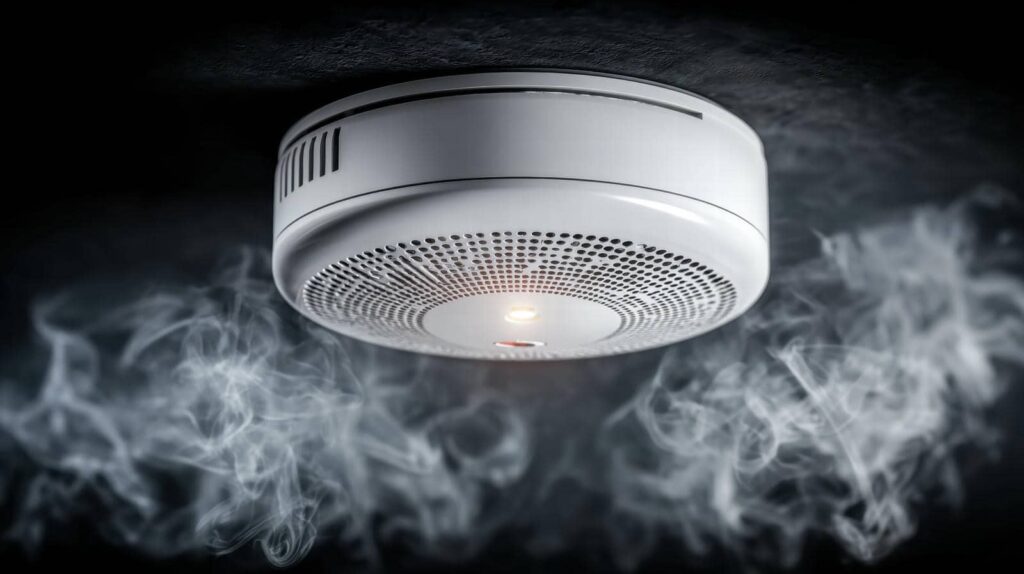
First, make sure your smoke alarms are installed in critical areas like kitchens and hallways, and test them monthly to confirm they’re operational. Regularly replace the batteries, at least once a year, to maintain their effectiveness.
Next, conduct fire drills with your family or team at least twice a year. Familiarize everyone with escape routes and designated meeting points. This practice builds confidence while reinforcing safety protocols.
Additionally, keep flammable materials stored properly and away from heat sources. Consider installing fire extinguishers in key locations, and make sure everyone knows how to use them.
By following these strategies, you create a safer environment, fostering a sense of security and belonging in your community.
Frequently Asked Questions
How Long Does Smoke Damage Restoration Typically Take?
Smoke damage restoration typically takes one to two weeks, depending on the extent of smoke damage. A thorough assessment will define the restoration timeframe, ensuring all damaged areas are addressed for ideal results.
Can I Perform Smoke Damage Restoration Myself?
Yes, you can perform smoke damage restoration yourself, but use DIY techniques carefully. Make certain you follow safety precautions like wearing masks and gloves, ventilating the area, and evaluating structural damage before beginning any cleanup efforts.
What Are the Costs Associated With Smoke Damage Restoration?
Restoration services can feel like a financial storm, with costs influenced by factors like damage extent and materials needed. You’ll often find expenses ranging from hundreds to thousands, depending on your unique situation and requirements.
Will Insurance Cover Smoke Damage Restoration Expenses?
Yes, your insurance policies often cover smoke damage restoration, but check your coverage limits. Understanding these limits helps you navigate potential out-of-pocket expenses, ensuring you’re prepared for any financial implications after a smoke incident.
How Can I Prevent Smoke Damage in the Future?
Think of your home as a protective fortress. Install smoke alarms, maintain them regularly, and implement preventive measures like proper ventilation and fire safety practices. These steps will shield you from future smoke damage effectively.
Conclusion
Restoring smoke damage requires a meticulous approach to ensure safety and effectiveness. Remember, homes can be affected by fire and experience smoke damage, even if flames are minimal. This statistic highlights the importance of addressing smoke damage promptly to protect your health and investment. By following the outlined steps, you can effectively restore your space, improve air quality, and minimize long-term effects, securing a safe environment for you and your loved ones.