
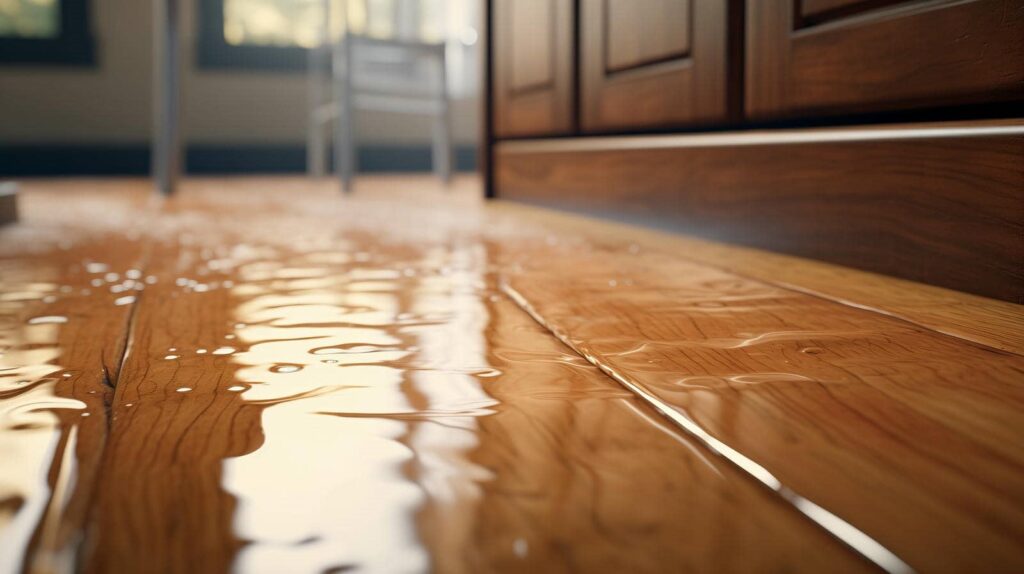
When water damage strikes, you need to assess the extent, ensure safety, and act quickly. Mold can spread rapidly in damp environments, leading to health risks and structural damage. Start by checking for visible mold and musty odors. Next, you’ll want to take specific mold removal steps to remove it effectively. Understanding the right approach can make all the difference in preventing a bigger problem down the line. What should you do next?
Key Takeaways
- Assess the area for visible mold growth and musty odors to identify contamination sources.
- Wear protective gear, including gloves and masks, before handling mold-infested materials.
- Carefully remove and discard mold-infested materials like drywall and carpets.
- Clean remaining surfaces with appropriate mold removal solutions and ensure thorough drying.
- Monitor the area regularly for any signs of recurring mold growth after remediation.
Assess the Extent of Water Damage
To effectively tackle mold removal, you first need to assess the extent of water damage in your space. Start by identifying potential water sources, such as leaks from pipes, roofs, or appliances.
Check for any visible signs of moisture, including discoloration or warping on walls and ceilings. Use a moisture meter to measure humidity levels in affected areas; elevated readings can indicate hidden water damage.
Next, inspect materials that are prone to mold growth, like drywall, carpets, and wood. Look for any musty odors, which often signal the presence of mold.
Don’t forget to assess areas that are less visible, such as behind furniture or in crawl spaces. Document your findings, as this will help you develop a plan for remediation.
Ensure Safety Precautions
Before you start mold removal, it’s essential to prioritize safety.
Wear personal protective equipment, such as gloves and masks, ensure proper ventilation to minimize inhalation of spores, and take electrical safety measures to prevent hazards.
These steps will help protect you while you tackle the mold issue effectively.
Personal Protective Equipment
When tackling mold removal, wearing the right personal protective equipment (PPE) is crucial for your safety.
Following safety guidelines helps prevent health risks associated with mold exposure.
Here’s a quick list of protective gear you should have:
- N95 Respirator: This will filter out harmful spores, keeping your lungs safe.
- Gloves: Use long rubber or latex gloves to protect your hands from mold and cleaning solutions.
- Goggles: Verify your eyes are shielded from mold particles and cleaning agents.
Ventilation and Airflow
Proper ventilation and airflow are essential for safely removing mold, as they help minimize exposure to airborne spores.
Start by opening windows and doors to create cross-ventilation, which enhances air quality and reduces moisture control issues. Use fans to circulate air effectively, directing airflow toward open windows.
If possible, employ dehumidifiers to further lower humidity levels in the affected area. Remember, stagnant air can trap spores and exacerbate mold growth, so keep the space well-aired during the cleaning process.
Regularly monitor moisture levels, aiming to maintain a relative humidity below 60%. By ensuring proper airflow, you’ll improve safety and foster a healthier environment for everyone involved in the mold removal effort.
Electrical Safety Measures
While ensuring proper ventilation helps reduce mold spores in the air, addressing electrical safety is equally important during the removal process. Ignoring electrical hazards can lead to serious injuries or even fatalities.
Here are some essential safety measures you should follow:
- Power Shutdown: Always turn off electricity to affected areas before starting any mold removal work. This helps eliminate the risk of shock and prevents further damage.
- Inspect for Damage: Check for any visible electrical damage, such as exposed wires or wet outlets. If you find anything unsafe, don’t hesitate to call a professional.
- Use Ground Fault Circuit Interrupters (GFCIs): When using electrical tools in damp areas, ensure they’re plugged into GFCIs to minimize risks.
Prioritize your safety during this critical process.
Remove Standing Water
To effectively tackle mold growth, the first step is removing standing water.
Start by evaluating the affected area to determine the extent of the water damage. Use water extraction techniques such as a wet/dry vacuum, submersible pump, or a mop and bucket to eliminate any visible standing water.
Make sure you wear protective gear like gloves and boots to keep yourself safe during the process.
If the water is extensive, it may be wise to contact a professional service specializing in standing water removal. They have specialized equipment and expertise to handle larger volumes efficiently.
After you’ve removed the standing water, check for hidden pockets or areas that may still retain moisture, as these can also lead to mold growth.
Dry Affected Areas Thoroughly
To effectively dry affected areas, use fans and dehumidifiers to promote airflow and reduce humidity.
Promptly remove any wet materials, as they can harbor mold growth if left unattended.
This step is essential in preventing further mold issues and ensuring a safe environment.
Use Fans and Dehumidifiers
Using fans and dehumidifiers is crucial for drying affected areas thoroughly after mold removal. Here’s how to effectively set them up:
- Fan Placement: Position fans to create airflow across damp surfaces. Aim them towards walls and floors to enhance evaporation.
- Dehumidifier Settings: Set your dehumidifier to a low humidity level, ideally between 30-60%. This helps remove moisture from the air quickly.
- Monitor Progress: Regularly check the humidity levels using a hygrometer. Adjust fan placement and dehumidifier settings as needed to ensure ideal drying.
Remove Wet Materials Promptly
As soon as you notice any wet materials, act quickly to remove them, since delaying can lead to more extensive mold growth.
Start by removing soaked carpets, rugs, and furniture. If you can, take these items outside to dry or dispose of them if they’re unsalvageable.
Next, thoroughly dry the affected areas using fans and dehumidifiers. This is essential for effective mold prevention strategies.
Don’t forget to check hidden spaces, like behind walls or under cabinets. If you have water damage insurance, document the damage with photos before disposing of items.
Taking swift action protects your home and fosters a sense of community in helping each other prevent mold issues.
Identify and Remove Mold-Infested Materials
Mold-infested materials can pose serious health risks and damage your property. To effectively identify and remove these materials, follow these steps:
- Use mold identification techniques: Inspect the area for visible mold growth or musty odors, which can indicate contamination.
- Apply materials assessment criteria: Evaluate materials like drywall, carpeting, and insulation. If they’re porous and have been wet for over 24 hours, they’re likely unsalvageable.
- Document findings: Keep a record of all affected materials for insurance claims and remediation purposes.
Once you’ve identified the materials, carefully remove them while wearing protective gear to minimize exposure.
Remember, this process isn’t just about cleaning; it’s essential for your health and the integrity of your home.
Clean and Disinfect Surfaces
After removing mold-infested materials, the next step is to clean and disinfect the surfaces in the affected area.
Start by selecting appropriate cleaning agents; a mixture of water and detergent can effectively remove surface dirt, while specialized mold removers may be necessary for stubborn spots. Use a scrub brush or cloth to apply these agents, making sure you cover all areas where mold may have settled.
Once the surfaces are cleaned, it’s essential to disinfect them using effective disinfecting techniques. A solution of water and bleach is a common choice, but make certain you follow the manufacturer’s instructions for safe use.
Apply the disinfectant thoroughly and allow it to sit for the recommended time to kill any remaining spores.
Finally, rinse the surfaces with clean water and dry them completely. This thorough cleaning and disinfecting process will help create a healthier environment for you and your loved ones.
Prevent Future Mold Growth
To effectively prevent future mold growth, it’s essential to control moisture levels in your home. Here are three key steps you can take:
- Use mold-resistant materials: When renovating or repairing, opt for mold-resistant paints, drywall, and insulation. These materials can greatly reduce the risk of mold development.
- Ensure proper ventilation: Make sure areas prone to moisture, like bathrooms and kitchens, have adequate ventilation. Use exhaust fans or open windows to help keep air circulating and dry.
- Schedule regular inspections: Regularly check your home for leaks or signs of moisture buildup. Early detection allows you to address issues before they escalate into mold problems.
Frequently Asked Questions
How Can I Tell if Mold Is Hidden Behind Walls?
To detect hidden mold behind walls, check for signs of mold like discoloration, musty odors, or water damage. Use mold detection methods such as moisture meters or infrared cameras for a thorough inspection.
What Personal Protective Equipment Should I Wear During Mold Removal?
During mold removal, you should wear safety goggles and protective gloves to safeguard yourself from spores and irritants. These essentials help ensure your safety while you tackle the mold and protect your health.
Can I Use Bleach to Kill Mold?
Using bleach to kill mold might seem like a magic trick, but it’s not always effective. For mold safety, consider alternatives like vinegar or commercial products, which can better tackle the root cause of the problem.
How Long Does It Take for Mold to Grow After Water Damage?
Mold can start growing within 24 to 48 hours after water damage, depending on factors like humidity, temperature, and surface materials. It’s essential to act quickly to prevent extensive mold growth and potential health risks.
Should I Hire a Professional for Mold Removal or Do It Myself?
You should hire a professional for mold removal. They use effective mold removal techniques and ensure thoroughness. Considering the cost, it’s often worth the investment for safety and long-term peace of mind.
Recap
By following these quick mold removal steps after water damage, you can tackle the problem head-on and keep your space safe. Remember, it’s better to be safe than sorry—act fast to prevent mold from taking root. Regularly check for signs of moisture and mold to catch any issues early. With a proactive approach, you can ensure a healthy environment for you and your loved ones. Stay vigilant, and your efforts will pay off in the long run.