
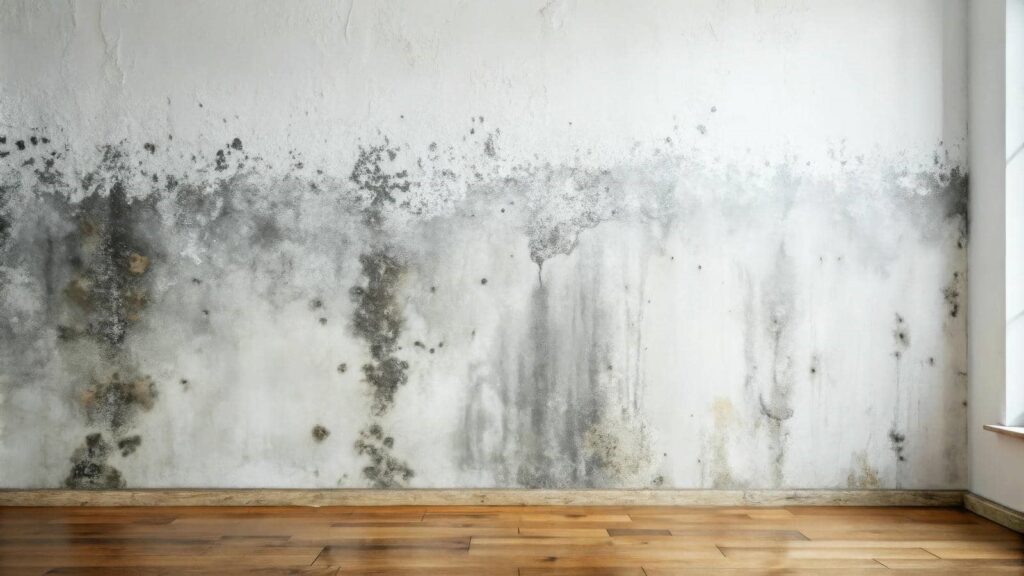
Did you know that mold can start growing within 24 to 48 hours after flooding? If you don’t act quickly, the aftermath can lead to serious health risks and costly repairs. To effectively prevent mold, you need to follow a systematic approach that involves evaluating damage, removing water, and controlling humidity. Understanding these steps is vital for protecting your home and well-being. Let’s explore the essential actions you should take.
Key Takeaways
- Remove standing water promptly using pumps or wet vacuums to prevent mold growth.
- Dry out affected areas thoroughly with dehumidifiers and ensure proper ventilation.
- Maintain indoor humidity levels between 30-60% to discourage mold development.
- Clean and disinfect surfaces with appropriate agents, focusing on non-porous materials.
- Regularly monitor for signs of mold, such as musty smells or water stains.
Assess the Damage and Safety Risks
When you assess the damage and safety risks after flooding, it’s essential to prioritize your safety and that of others.
Start with a thorough damage assessment to identify affected areas, focusing on structural integrity and potential hazards like electrical issues or gas leaks. Wear protective gear, such as gloves and masks, to shield yourself from contaminants and mold spores.
Next, check for standing water, which poses risks of slips and electrical hazards.
It’s crucial to document the damage for insurance purposes, taking photographs and making notes. Communicate with family and neighbors about safety precautions, ensuring everyone understands potential dangers.
If you notice significant damage, consider contacting professionals to evaluate risks and assist with remediation.
Your vigilance contributes to a safer environment for everyone involved, fostering a sense of community and belonging while addressing the aftermath of flooding effectively.
Remove Standing Water Promptly
After evaluating the damage and identifying safety risks, the next step is to remove standing water promptly. Standing water can quickly become a breeding ground for mold, so it’s essential to act fast.
Use pumps or heavy-duty wet vacuums to facilitate water removal effectively. If the flooding is minor, you might manage it with buckets, but for larger volumes, professional equipment is often necessary.
Ensure you wear protective gear during this process, as contaminated water can pose health risks. Once you’ve removed the bulk of the water, check for hidden pockets where moisture might linger.
Addressing these areas is critical to prevent mold growth. If you find it overwhelming, don’t hesitate to reach out to professionals specializing in flood recovery.
Dry Out Affected Areas Thoroughly
To effectively prevent mold growth, you need to dry out affected areas thoroughly.
Using dehumidifiers can greatly reduce moisture levels in the air, while proper ventilation helps circulate fresh air throughout the space.
Together, these methods ensure that moisture doesn’t linger, minimizing the risk of mold growth.
Use Dehumidifiers Effectively
Using dehumidifiers effectively is crucial for drying out affected areas thoroughly and preventing mold growth after flooding. Proper dehumidifier placement and routine maintenance can greatly enhance their performance.
Here are some key strategies to keep in mind:
- Position dehumidifiers in the center of the room for ideal airflow.
- Make sure windows and doors are closed to maximize efficiency.
- Regularly clean the filters to maintain airflow and efficiency.
- Monitor humidity levels, aiming for 30-60% to discourage mold.
- Empty the water reservoir frequently to prevent overflow.
Ventilate Spaces Properly
While dehumidifiers play an essential role in controlling moisture, properly ventilating spaces is equally important for effectively drying out areas impacted by flooding.
Good air circulation helps prevent stagnant moisture, which can lead to mold growth. Open windows and doors when the weather permits, allowing fresh air to flow through affected areas.
Use fans strategically to enhance airflow, directing moist air outside. If you’re in a humid climate, consider using exhaust fans to reduce indoor humidity levels.
Always monitor humidity levels with a hygrometer to ensure they stay below 60%.
By combining effective ventilation with dehumidification, you create a thorough strategy for humidity control that fosters a healthier, mold-free environment.
Prioritize these steps to protect your home and your sense of belonging.
Clean and Disinfect Surfaces
After a flood, it’s crucial to clean and disinfect surfaces promptly to prevent mold growth.
Start by identifying the surface materials in your home, as different materials may require specific cleaning agents.
Here’s how to effectively clean:
- Remove any debris or standing water.
- Use appropriate cleaning agents for each surface, like bleach for non-porous materials.
- Scrub surfaces thoroughly to remove dirt and contaminants.
- Rinse with clean water to eliminate cleaning agent residue.
- Allow surfaces to dry completely to minimize moisture.
Control Humidity Levels
Controlling humidity levels is essential in preventing mold growth after flooding.
You should use dehumidifiers regularly to reduce moisture in the air and ventilate living spaces to promote airflow.
Use Dehumidifiers Regularly
To effectively prevent mold growth after flooding, using dehumidifiers regularly is crucial for controlling humidity levels in your home.
Maintaining the right humidity can make all the difference, and here’s how to get the most out of your dehumidifier:
- Regularly check and clean the filter for peak performance.
- Set your dehumidifier to the recommended humidity level (around 30-60%).
- Place the unit in areas prone to moisture, like basements and bathrooms.
- Keep windows and doors closed while operating to maximize efficiency.
- Monitor humidity levels with a hygrometer to ensure consistency.
Ventilate Living Spaces
While it might be tempting to close off your home after a flood, proper ventilation is essential for controlling humidity levels and preventing mold growth.
You need to ensure adequate air circulation throughout your living spaces. Open windows when the weather permits, and consider using exhaust fans in areas like kitchens and bathrooms, especially after cooking or showering. These actions help reduce moisture and promote a healthier environment.
Additionally, using fans to direct airflow can further enhance ventilation. Remember, stagnant air increases humidity, which invites mold.
Monitor for Signs of Mold Growth
As you assess your home after flooding, it’s essential to monitor for signs of mold growth, which can develop quickly in damp environments.
Early intervention is key to effective mold detection and preventing further issues. Keep an eye out for these indicators:
- A musty or earthy smell
- Visible spots or discoloration on walls and ceilings
- Water stains or damp patches
- Increased allergy symptoms among household members
- Condensation on windows or walls
Regularly checking these signs can help you catch mold before it spreads.
Remember, mold thrives in humidity and can worsen health conditions, so staying vigilant is critical. If you notice any of these symptoms, act promptly.
Removing mold early protects your home and contributes to a healthier living environment.
You’re not alone in this; take charge and make certain your home stays safe and mold-free.
Frequently Asked Questions
How Long Does It Take for Mold to Grow After Flooding?
Mold can start growing within 24 to 48 hours after flooding. To mitigate risks, follow flood recovery tips like drying out affected areas promptly and maintaining proper ventilation to slow down the mold growth timeline.
Can I Use Bleach to Kill Mold?
You can use bleach for mold removal, but its effectiveness varies. It kills surface mold, yet doesn’t penetrate porous materials. Consider using specialized mold removers for better results, especially in hidden areas. Choose wisely for lasting impact.
Are There Specific Materials That Mold Prefers?
Yes, mold prefers organic materials. Wood surfaces and carpet fibers provide ideal environments for mold growth due to their moisture retention and nutrient content. Keeping these areas dry and well-ventilated helps you minimize mold risk effectively.
What Should I Do if I See Mold?
Seeing mold’s like finding a weed in your garden; you need to act fast. Start mold removal immediately to reduce health risks. Use proper cleaning solutions, and consider professional help for extensive infestations.
How Can I Prevent Mold in the Future?
To prevent mold in the future, use mold-resistant materials in your home and maintain humidity control. Regularly check for leaks and ensure proper ventilation to create an environment that effectively discourages mold growth.
Wrap-Up
By treating your home like a cherished garden after a storm, you can nurture it back to health and prevent the roots of mold from taking hold. Swift action to remove water, dry spaces, and maintain balanced humidity creates a protective barrier against the encroaching darkness of mold. Vigilantly monitoring for signs of growth ensures your sanctuary remains a safe haven. Remember, your home deserves the care and attention that keeps its spirit vibrant and thriving.