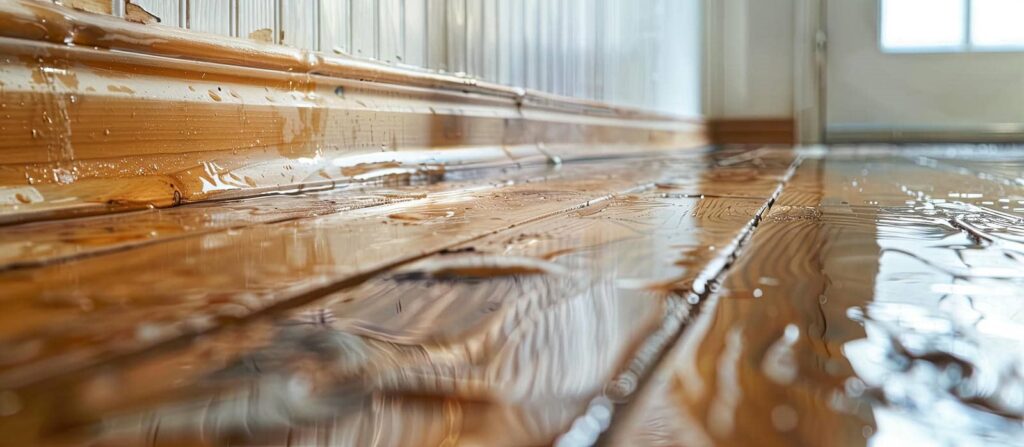
Did you know that mold can start to grow within just 24 to 48 hours after water damage occurs? This rapid proliferation poses serious health risks, including respiratory issues and allergies, as well as significant structural damage to your property. Addressing mold growth promptly is essential, but understanding the right steps to take can be complex. Let’s explore why immediate action is vital and the effective methods you can employ to safeguard your environment.
Key Takeaways
- Mold can grow within 24 to 48 hours after water damage, making immediate action essential to prevent health risks.
- Exposure to mold can trigger allergies and worsen asthma, leading to chronic respiratory issues and skin irritations.
- Timely water removal and drying techniques are crucial to creating a safe living environment and preventing mold proliferation.
- Regular inspections and maintenance can help identify moisture sources, significantly reducing the likelihood of mold growth.
- Professional mold remediation services ensure thorough removal and minimize the risk of recurrence, protecting both health and property.
Understanding Mold Growth Conditions
When water damage occurs, it creates an ideal environment for mold to thrive, as mold requires moisture, organic material, and moderate temperatures to grow. Understanding the mold lifecycle stages is essential for effective prevention.
Initially, mold spores settle on surfaces, seeking moisture sources—like leaks, humidity, or damp materials. Once moisture is present, the spores germinate, leading to rapid growth. Within 24 to 48 hours, you can see visible signs of mold, which can escalate quickly if not addressed.
To combat this, identify and eliminate moisture sources immediately. Check for leaks in pipes, roofs, or walls, and ensure proper ventilation in areas prone to dampness, such as bathrooms and basements.
Regular inspections and maintenance will help you stay one step ahead. By understanding these conditions, you protect your environment and foster a healthier community for everyone involved.
Health Risks Associated With Mold
Although mold may seem like a minor nuisance, it poses significant health risks that can affect anyone exposed to it. Mold exposure can trigger various reactions, particularly if you have existing sensitivities.
Here are some health risks you should be aware of:
Mold allergies: These can lead to sneezing, runny noses, and itchy eyes.
Respiratory issues: Inhalation can exacerbate asthma and cause chronic coughing.
Skin irritations: Direct contact may result in rashes or other uncomfortable skin conditions.
Toxic substances: Some molds produce mycotoxins that can impact immune response and mental health, potentially worsening chronic conditions.
Being proactive about mold prevention and remediation is essential.
Understanding these risks can empower you to create a safer environment for yourself and your loved ones, addressing both physical and mental well-being.
Don’t underestimate the importance of a mold-free space!
Importance of Timely Water Removal
Mold growth often follows water damage, making timely water removal a critical step in prevention. When you experience water damage, immediate water extraction is essential to mitigate potential mold issues.
Standing water promotes a damp environment, enabling mold spores to thrive. By acting quickly, you protect your property and safeguard your health and that of your loved ones.
Moisture control is key in this process. Ensuring that all affected areas are thoroughly dried prevents mold from taking hold.
Use specialized equipment to expedite water extraction and monitor humidity levels to maintain ideal conditions. Remember, it’s not just about fixing the visible damage; it’s about creating a safe, healthy living environment.
Effective Drying Techniques
To effectively combat the risk of mold growth following water damage, employing the right drying techniques is essential.
You need to prioritize effective air circulation and moisture control to ensure thorough drying. Here are some techniques to take into account:
Use high-velocity fans to promote air movement throughout the affected area.
Dehumidifiers can considerably reduce humidity levels, aiding in moisture control.
Open windows and doors when possible to enhance natural airflow, accelerating evaporation.
Inspect and remove wet materials, such as carpets or drywall, to prevent prolonged moisture retention.
Cleaning and Disinfecting Affected Areas
Once you’ve dried out the affected areas, cleaning and disinfecting become vital to eliminate any lingering contaminants and prevent mold from taking hold.
Start by using a suitable mold cleaning solution, ideally one that’s EPA-approved. Focus on all surfaces that came into contact with water, including walls, floors, and furniture.
Use a scrub brush or sponge to apply the solution, ensuring you reach every nook and cranny. After scrubbing, rinse the surfaces with clean water to remove residue.
Next, it’s essential to disinfect surfaces with a solution containing at least 70% alcohol or a mixture of bleach and water (1 cup bleach to 1 gallon water).
Remember to wear protective gear, including gloves and a mask, to shield yourself from harmful spores.
Completing these steps diligently will foster a safer environment, enhancing your sense of belonging and comfort in your space.
Utilizing Dehumidifiers and Ventilation
After cleaning and disinfecting the affected areas, managing humidity levels is key to preventing mold growth.
Utilizing dehumidifiers and effective ventilation strategies will greatly enhance dehumidifier efficiency, ensuring your space remains dry and healthy.
To optimize your mold prevention efforts, consider these strategies:
Select the right dehumidifier: Choose a unit with adequate capacity for the size of your space.
Position dehumidifiers wisely: Place them in areas prone to moisture, like basements or bathrooms, to maximize their impact.
Open windows strategically: Increase airflow during dry days to reduce indoor humidity levels.
Use exhaust fans: Install fans in high-moisture areas to actively remove damp air.
Regular Inspections and Maintenance
Regular inspections are essential for identifying potential mold growth before it becomes a serious issue.
You can implement simple mold prevention tips, such as checking for leaks and maintaining proper ventilation, to protect your space.
Seasonal maintenance practices will further ensure your environment remains mold-free and safe.
Importance of Regular Checks
While mold can develop quickly after water damage, performing regular inspections and maintenance is essential for preventing its growth.
You need to establish and stick to routine inspections and maintenance schedules to ensure a mold-free environment. These checks help you identify potential moisture problems before they escalate, giving you peace of mind.
- Inspect hidden areas like basements and attics regularly.
- Monitor humidity levels to keep them in check.
- Address leaks or water accumulation immediately.
- Clean gutters and downspouts to prevent water damage.
Mold Growth Prevention Tips
To effectively prevent mold growth, it’s crucial to implement a series of proactive measures that focus on regular inspections and maintenance.
Start by routinely checking areas prone to moisture, such as basements, bathrooms, and kitchens. Look for any signs of leaks or water damage, and address them immediately.
Incorporate mold prevention strategies like ensuring proper ventilation and using exhaust fans to minimize indoor humidity. Keep humidity levels below 60% with dehumidifiers if necessary.
Regularly clean and maintain gutters to prevent water buildup. Additionally, inspect your HVAC systems for mold growth, and change filters frequently.
Seasonal Maintenance Practices
Implementing seasonal maintenance practices is essential for ensuring your home remains mold-free, especially after water damage events.
By conducting regular inspections and maintenance routines, you’re not just protecting your home; you’re also fostering a safe environment for your family.
Here are some effective seasonal checkups to take into account:
- Inspect and clean gutters to prevent water accumulation.
- Check for leaks around windows, pipes, and roofing.
- Maintain proper ventilation in bathrooms and kitchens.
- Monitor humidity levels with a hygrometer to ensure they stay below 60%.
Professional Mold Remediation Services
When you face mold issues after water damage, professional mold remediation services offer expert assessment techniques to identify the extent of the problem.
These specialists use advanced tools to ensure comprehensive evaluations and implement safe removal procedures to protect your health and property.
Engaging with professionals ensures a thorough approach, reducing the risk of mold recurrence.
Expert Assessment Techniques
Although mold can proliferate quickly after water damage, expert assessment techniques employed by professional mold remediation services can effectively identify the extent of the problem.
These specialists utilize various mold assessment techniques to ensure a thorough evaluation of your property. Their proactive approach includes:
- Visual inspection methods to spot visible mold growth and moisture issues
- Moisture meters to measure humidity levels in materials
- Air quality testing to detect mold spores in the environment
- Thermal imaging cameras to find hidden moisture behind walls
Safe Removal Procedures
Effective mold removal requires a structured approach, and professional mold remediation services follow strict safety protocols to ensure a thorough, safe process.
They begin by containing the affected area to prevent spores from spreading. You’ll notice they use physical barriers and negative air pressure machines.
Next, they don protective gear, ensuring their safety while working. The team employs specialized equipment, like HEPA vacuums, to extract mold effectively.
After removal, they treat surfaces with antimicrobial solutions to prevent regrowth. Throughout the process, professionals monitor humidity levels, ensuring your space is restored to a safe environment.
Frequently Asked Questions
Can Mold Grow in Hidden Spaces Like Walls or Ceilings?
Yes, mold can grow in hidden spaces like walls or ceilings. You should inspect for hidden mold behind drywall, as it often indicates moisture issues that need addressing to prevent further damage and health risks.
How Quickly Can Mold Start Growing After Water Damage?
Mold doesn’t waste time; it can start its party within 24 to 48 hours after water damage, depending on humidity and temperature. Understanding this mold growth timeline helps you act quickly and protect your space.
Can I Use Bleach to Kill Mold Effectively?
You can’t rely solely on bleach for mold removal; its effectiveness varies. Instead, consider mold alternatives like vinegar or hydrogen peroxide, which penetrate porous surfaces better. Always ensure proper ventilation and follow safety guidelines during cleanup.
Will Mold Return if Not Completely Removed?
If mold isn’t completely removed, it’ll likely return, like a stubborn weed. Inadequate mold removal methods can leave spores behind, leading to regrowth. Thorough cleaning and remediation are essential for long-term prevention.
How Can I Prevent Mold After Water Damage?
To prevent mold after water damage, focus on moisture control and ventilation improvement. Ensure proper airflow, use dehumidifiers, and seal leaks. Regularly inspect areas prone to dampness to maintain a healthy, mold-free environment for everyone.
Summary
Stopping mold after water damage is essential for your health and the integrity of your property. Ignoring even minor water issues can allow moisture to linger, increasing the risk of mold growth and leading to health concerns and expensive repairs. Acting quickly with proper drying methods and professional remediation helps reduce these risks and limit further damage. Don’t leave your home vulnerable—prioritize timely intervention and regular maintenance to ensure a safe, healthy living environment for you and your loved ones.