Imagine your home as a sponge, soaking up every drop of water from a sudden leak or flood. The longer you wait, the more damage it can cause, leading to costly repairs. To navigate the maze of affordable water damage restoration options, you need a strategic approach. From DIY techniques to professional services, understanding your choices can save you both time and money. What’s your next move in this critical situation?
Key Takeaways
- Research local restoration companies and read customer reviews to find reputable and affordable options.
- Gather multiple quotes from different providers to compare pricing and services offered.
- Ensure selected companies are certified and insured to ensure quality and reliability.
- Inquire about any available discounts or package deals for comprehensive restoration services.
- Check for any hidden fees or additional costs to avoid exceeding your budget.
Assessing the Damage: Initial Steps for Homeowners
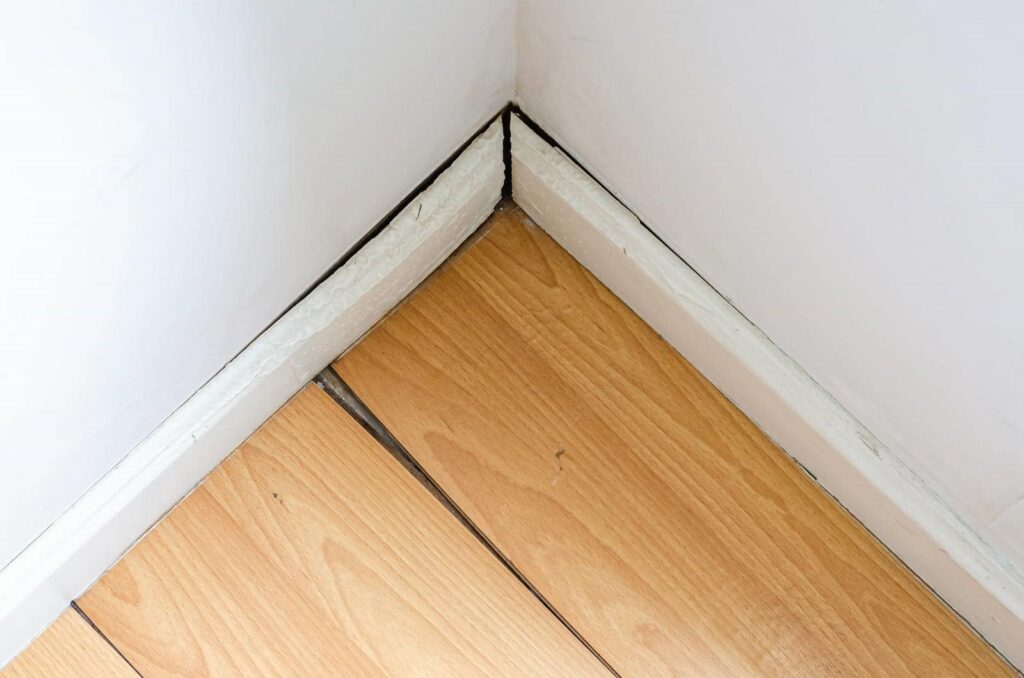
When faced with water damage, your first step is to assess the extent of the problem. Conduct a thorough initial inspection of the affected areas to identify visible signs of damage, such as warped flooring, stained walls, or mold growth.
Pay close attention to the source of the water intrusion, whether it’s a leak, flooding, or appliance malfunction.
Next, perform a damage assessment by measuring moisture levels with a moisture meter, which will help you determine the severity and affected materials. Document your findings with photos and notes, as this will be useful for insurance claims or professional help later.
Don’t forget to check hidden areas, like behind cabinets and under carpets, where damage mightn’t be immediately apparent.
Understanding the full scope of the damage empowers you to make informed decisions about the next steps in your restoration journey.
DIY Water Removal Techniques for Quick Response
After evaluating the damage, it’s important to act quickly to remove standing water and prevent further issues like mold growth.
Start by using suction pumps to effectively extract water from your home. These pumps are essential for significant water buildup and allow you to handle the situation promptly. Verify you’ve got a reliable moisture meter on hand to monitor humidity levels and determine if additional drying is necessary.
Once you’ve cleared the water, open windows and doors for ventilation, and set up fans to enhance airflow. Dehumidifiers can also be beneficial in reducing residual moisture.
Regularly check the moisture meter to track progress and avoid hidden dampness.
Implementing these DIY techniques helps with immediate recovery and fosters a sense of control over your environment.
Taking swift action will help you safeguard your home against further damage and give you peace of mind.
Budget-Friendly Professional Restoration Services
While tackling water damage on your own can be effective, sometimes it’s vital to enlist professional restoration services that fit your budget.
When you’re seeking budget restoration options, consider the following tips for a smart service comparison:
- Research Reviews: Look for customer feedback on local restoration companies. Positive reviews can guide you to reliable services.
- Get Multiple Quotes: Don’t settle for the first estimate. Gathering several quotes helps you understand the market rates and find the best deal.
- Check Credentials: Verify the service providers are certified and insured. This protects you from any further liabilities.
- Ask About Packages: Some companies offer discounted packages for thorough services, making it more affordable in the long run.
Insurance Claims: Maximizing Your Coverage
To ensure you’re getting the most out of your insurance coverage for water damage restoration, it’s essential to understand the specifics of your policy.
Begin by reviewing your policy coverage, focusing on sections related to water damage, exclusions, and limits. Familiarize yourself with the claim process, as submitting thorough documentation can greatly impact your reimbursement.
When you file a claim, provide detailed evidence of the damage, including photographs and repair estimates. This supports your case and helps adjusters evaluate your situation fairly.
Keep records of all communications with your insurer, ensuring you have a clear timeline of events.
Don’t hesitate to ask questions if something isn’t clear; understanding your rights can empower you during negotiations.
Preventative Measures to Avoid Future Water Damage
Taking proactive steps can greatly reduce the risk of future water damage in your home.
Implementing effective waterproofing solutions and committing to regular maintenance can safeguard your living space.
Here are four essential measures you can take:
- Inspect and Maintain Gutters: Regularly clean and repair your gutters to ensure proper drainage.
- Seal Cracks and Openings: Use waterproof sealants on foundation cracks and around windows to prevent leaks.
- Monitor Plumbing Systems: Regularly check pipes, faucets, and appliances for leaks and signs of wear.
- Install a Sump Pump: Investing in a sump pump can help manage potential flooding, especially in basements.
Frequently Asked Questions
How Can I Tell if Mold Has Developed After Water Damage?
You can tell mold’s developed by checking for musty odors, visible growth, or water stains. Use mold identification techniques, such as moisture meters, and implement mold prevention strategies to ensure a healthy living environment.
What Household Items Can I Use for Drying Water-Damaged Areas?
Eighty percent of water damage can lead to mold growth if not addressed promptly. Use fans, dehumidifiers, and towels as effective drying techniques for moisture control, ensuring your home stays safe and comfortable during recovery.
Are There Specific Materials That Are More Resistant to Water Damage?
Yes, you’ll find water-resistant materials like vinyl, fiberglass, and treated wood are ideal. Additionally, mold-resistant products, such as specific paints and drywall, help prevent growth, ensuring your spaces remain safe and dry for years.
How Long Does It Typically Take for Water Damage to Manifest?
“An ounce of prevention’s worth a pound of cure.” Typically, water damage manifests within 24 to 48 hours. Recognizing early warning signs, like discoloration or musty odors, can help you act swiftly and minimize damage.
Can I File a Claim for Water Damage if I’m Renting?
Yes, you can file a claim for water damage if you have renters’ insurance. Start the claim process by documenting the damage, contacting your insurance provider, and providing the necessary details to ensure a smooth resolution.
Summary
In the domain of water damage restoration, you’re the captain steering through turbulent waters. By evaluating the damage, utilizing DIY techniques, and exploring budget-friendly professional services, you can guide your home toward recovery without sinking your finances. Don’t forget to leverage your insurance and take preventative measures for future storms. With the right approach, you can emerge from this challenge afloat and thriving in a secure, dry environment. Your proactive steps today will safeguard your home tomorrow.