
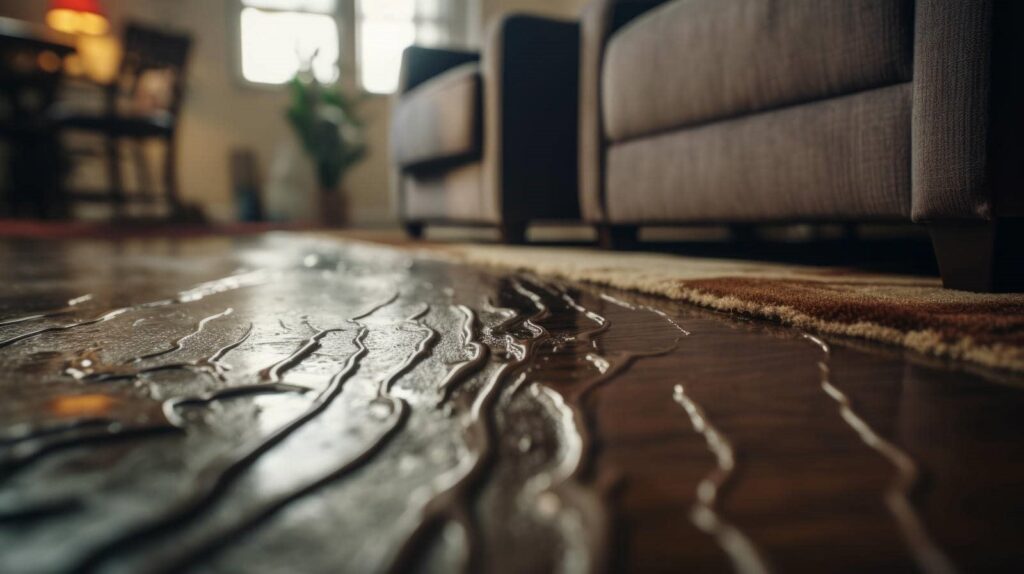
After flooding, immediate actions for mold removal are essential to safeguard your health and property. You must first assess the extent of the water damage and take necessary safety precautions. Once you’ve confirmed your environment is safe, removing standing water should be your next priority. Failing to act swiftly can lead to serious mold growth, which can have lasting effects. What steps should you take next to confirm thorough remediation and prevention?
Key Takeaways
- Conduct a thorough assessment of water damage to identify areas at risk for mold growth.
- Remove standing water within 24-48 hours to prevent mold development.
- Use appropriate cleaning agents to scrub and disinfect surfaces affected by water.
- Discard items that cannot be properly cleaned, especially porous materials like carpets.
- Monitor humidity levels with dehumidifiers and fans to create an unfavorable environment for mold.
Assess the Extent of Water Damage
Before you begin any mold removal efforts, it’s essential to assess the extent of water damage caused by flooding.
Start with a thorough water damage assessment to identify affected areas. Look for discoloration, warping, or dampness in walls, ceilings, and floors; these signs indicate the level of saturation.
Next, conduct a flood impact analysis to determine how deeply water has penetrated materials like drywall and insulation. This analysis helps you gauge the potential for mold growth, which can begin within 24-48 hours after flooding.
Document your findings, noting the severity of damage and the materials affected. This will guide your remediation strategy and inform any professionals you may need to involve.
Ensure Safety Precautions
Once you’ve assessed the extent of water damage, it’s time to prioritize safety as you prepare for mold removal.
Before starting any work, make certain you’re equipped with the proper safety gear. This includes gloves, goggles, and a mask to protect yourself from inhaling mold spores and other contaminants.
Familiarize yourself with emergency procedures in case of unexpected hazards, such as electrical issues or structural instability. Confirm that your workspace is well-ventilated to minimize exposure to harmful substances.
If you encounter significant mold growth, consider consulting professionals who specialize in mold remediation.
Taking these precautions isn’t just about protecting yourself; it’s about creating a safer environment for everyone involved.
Remove Standing Water
To effectively remove standing water, you’ll need to use pumps designed for such tasks.
Before you start, make certain you’ve taken the necessary safety precautions and assessed the extent of the water damage.
This careful approach will help prevent further complications during the mold removal process.
Use Pumps Effectively
Effective water removal is vital after flooding, and using pumps can greatly expedite this process. To ensure optimal water extraction, select the right type of pump for your situation—submersible or utility pumps are often effective.
Prioritize pump maintenance techniques before use; clean filters and check for clogs to maximize efficiency. As you operate the pump, monitor its performance closely, adjusting as needed to prevent any water from lingering.
Aim to remove as much standing water as possible within the first 24 to 48 hours. This proactive approach reduces the risk of mold growth and ensures a healthier environment for you and your loved ones.
Safety Precautions First
After removing standing water with pumps, it’s vital to prioritize safety precautions before proceeding with mold removal.
You need to equip yourself with personal protective gear, including gloves, masks, and goggles, to shield against potential health risks. Mold spores can trigger allergies, respiratory issues, and other health concerns, so safeguarding yourself is essential.
Make sure the area is well-ventilated to minimize inhalation of harmful particles. If the space is extensive or severely contaminated, consider enlisting professionals to handle mold remediation.
In addition, keep children and pets away from affected areas to prevent exposure. Taking these steps protects your health and fosters a safe environment as you move forward with the restoration process.
Prioritize your well-being every step of the way.
Assess Water Damage
Evaluating water damage is crucial for effective mold removal after flooding. Start by removing any standing water immediately. Use pumps or wet vacuums to clear areas, as stagnant water can encourage various mold types, including black mold and mildew.
Once you’ve removed the water, inspect materials like drywall and insulation for saturation. If they’ve absorbed too much moisture, you may need to replace them. Remember, quick action is essential; mold can begin to develop within 24-48 hours.
After addressing the water issue, apply prevention methods such as dehumidifiers and proper ventilation to minimize future risks. By taking these steps, you protect your home and foster a safer environment for yourself and your loved ones.
Dry Affected Areas Thoroughly
To prevent mold growth, you must dry affected areas quickly and thoroughly after flooding.
Using the right tools, such as fans and dehumidifiers, can greatly expedite this process.
The faster you eliminate moisture, the less likely mold will take hold in your space.
Importance of Quick Drying
While you might feel overwhelmed after a flood, timely and thorough drying of affected areas is vital in preventing mold growth. Mold thrives in damp environments, so implementing quick-drying techniques is important.
Start by using drying equipment like dehumidifiers and fans to circulate air and expedite moisture removal. Aim to dry out affected spaces within 24 to 48 hours to minimize mold risk.
Keep in mind that even small pockets of moisture can lead to significant mold problems later. Be thorough; check behind walls, under carpets, and in corners.
The quicker you act, the better your chances of protecting your home and health from mold. Prioritizing quick drying helps ensure a safe, healthy environment for you and your loved ones.
Tools for Effective Drying
When tackling mold prevention after flooding, having the right tools can make all the difference.
To effectively dry affected areas, consider using powerful dehumidifiers that pull moisture from the air, ensuring thorough moisture control. High-velocity fans can also accelerate drying techniques, circulating air, and speeding up evaporation.
Additionally, moisture meters help you assess dampness levels in walls and floors, guiding your drying efforts. For hard-to-reach areas, portable heaters can raise temperatures, further enhancing drying efficiency.
Remember to focus on every corner, as mold thrives in hidden spots. By investing in these tools, you’ll create a safer environment and foster a sense of community well-being, helping everyone feel more secure in their homes.
Identify Mold-Prone Areas
As you assess your home after flooding, identifying mold-prone areas becomes vital for effective remediation. Start by examining spaces where moisture accumulates, such as basements, bathrooms, and kitchens. These areas are often breeding grounds for mold due to inadequate ventilation and high humidity levels.
Pay particular attention to corners, behind appliances, and under sinks, as these spots can easily be overlooked.
Implementing mold prevention strategies is important. Check for leaks and verify that gutters are functioning properly to divert water away from your home.
Use moisture control techniques, like dehumidifiers and proper ventilation, to keep humidity levels in check. Remember, addressing moisture issues now can save you from costly repairs and health risks later.
Clean and Disinfect Surfaces
To effectively combat mold growth, you’ll need to prioritize cleaning and disinfecting surfaces that have been affected by flooding.
Start by gathering appropriate cleaning agents, such as soap, vinegar, or commercial mold removers, to tackle any organic matter. For hard surfaces, scrub thoroughly with a brush to remove visible mold, then rinse with clean water.
Next, employ disinfecting techniques to ensure you eliminate any remaining spores. A solution of water and bleach (1 cup bleach to 1 gallon of water) is effective for non-porous surfaces, but always follow safety precautions, including gloves and ventilation.
For porous materials like drywall or carpet, you may need to discard items that can’t be fully cleaned.
Use Dehumidifiers and Fans
Using dehumidifiers and fans is vital in preventing mold growth after flooding, especially since excess moisture creates an ideal environment for spores to thrive.
Start by setting your dehumidifier to the recommended humidity level of around 30-60%. This helps quickly remove moisture from the air, making it less hospitable for mold.
Next, focus on fan placement. Position fans to promote air circulation throughout the affected areas, directing airflow towards damp surfaces. This will enhance the drying process, allowing moisture to evaporate more efficiently.
It’s essential to run both dehumidifiers and fans continuously until the space feels dry and comfortable.
Check your dehumidifier settings regularly to ensure peak performance. By combining these tools effectively, you’ll create an environment that’s less conducive to mold growth, helping you restore your home to a safe and welcoming space for you and your loved ones.
Monitor for Mold Growth
While dehumidifiers and fans are essential for drying out your home, it’s equally important to monitor for mold growth during and after the drying process.
Mold can develop quickly in damp conditions, so employing effective monitoring techniques is vital to protect your space.
Here are some key mold indicators to watch for:
Visible Growth: Check corners, walls, and ceilings for dark spots or fuzzy patches.
Musty Odors: Notice any unusual smells; they often signal hidden mold.
Increased Allergies: Pay attention to respiratory issues or allergic reactions in your family.
Water Stains: Look for discoloration on walls or ceilings, indicating potential moisture retention.
Frequently Asked Questions
How Long Does It Take for Mold to Grow After Flooding?
Mold can start to grow within 24 to 48 hours after flood damage occurs. Understanding this mold growth timeline is essential for effective prevention and ensuring your space remains safe and healthy for you and your loved ones.
Can I Remove Mold Myself or Should I Hire a Professional?
When it comes to mold, you might want to think twice before going the DIY route. A proper mold assessment can save you headaches later; professionals often ensure thorough removal that DIY techniques may miss.
What Materials Are Most Susceptible to Mold Growth?
Wood surfaces and carpet fibers are particularly susceptible to mold growth. They absorb moisture easily, creating ideal conditions for mold. If you notice dampness, act quickly to prevent infestations and protect your environment.
Are There Any Natural Remedies to Combat Mold?
Yes, natural solutions like vinegar can effectively combat mold. Its acidic properties inhibit mold growth and eliminate odors. You can apply it directly to affected areas, benefiting from a safe, eco-friendly remedy for your home.
How Can I Prevent Mold After a Flood in the Future?
To prevent mold after a flood, ensure proper flood preparedness by sealing your home, improving drainage, and using dehumidifiers. Regularly inspect areas prone to moisture and maintain ventilation to inhibit mold growth effectively.
Final Thoughts
In the aftermath of flooding, swift action is your best ally against mold. By evaluating damage, ensuring safety, and removing water promptly, you’re not just cleaning; you’re safeguarding your health and home. Think of mold as an uninvited guest—one that overstays its welcome if you don’t take charge. With diligent drying, cleaning, and monitoring, you can reclaim your space and keep it mold-free. Remember, prevention today means a safer tomorrow for you and your loved ones.