
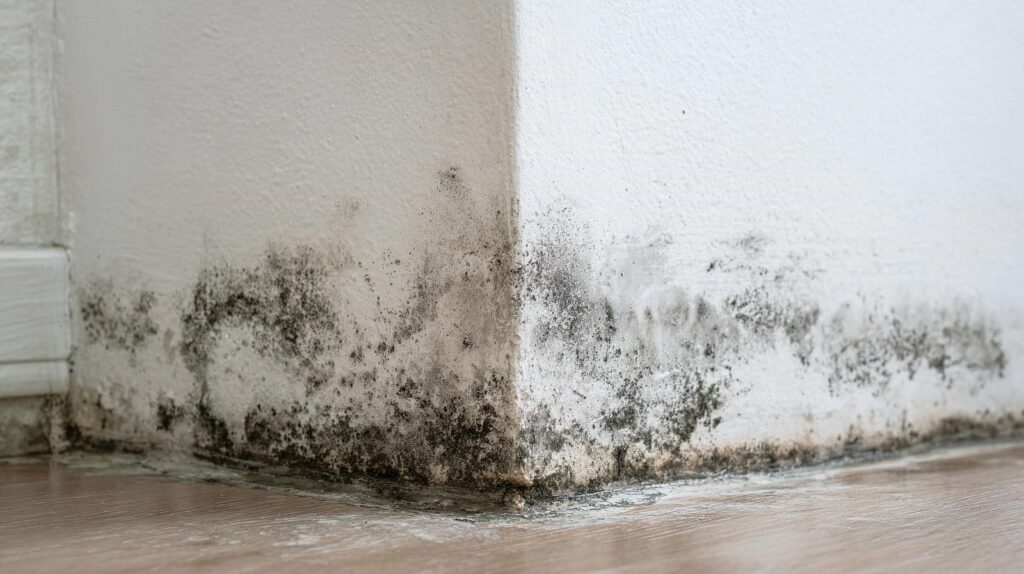
Many homeowners underestimate the speed at which mold can develop after a flood, often appearing within just 24 to 48 hours. It’s vital to act quickly to mitigate the risks associated with mold growth. By understanding effective mold prevention strategies, you can safeguard your home and health. Let’s explore the essential steps you should take to ensure your living space remains mold-free after flooding.
Key Takeaways
- Remove standing water within 24 to 48 hours to prevent mold growth and further damage.
- Thoroughly clean and disinfect affected surfaces using eco-friendly solutions to mitigate mold risks.
- Monitor humidity levels with a hygrometer, keeping them between 30% and 60% to deter mold.
- Use mold-resistant materials when rebuilding to enhance long-term protection against mold infestations.
- Regularly inspect and repair leaks in areas prone to moisture accumulation to prevent future mold issues.
Assess the Damage Immediately
As soon as the floodwaters recede, it’s essential to assess the damage immediately to prevent mold growth. Start by documenting all affected areas and items, as this thorough damage assessment can be critical for your insurance claims.
Take clear photos and make detailed notes of what’s been impacted. This information helps you understand the scope of the damage and strengthens your case with your insurance provider.
Next, prioritize your findings to determine what needs urgent attention. Look for signs of water saturation in walls, floors, and personal belongings.
Remember, mold can develop within 24 to 48 hours after flooding, so acting swiftly is key. By tackling the damage efficiently and engaging with your insurance provider early on, you’ll foster a sense of control in an overwhelming situation.
You’re not alone in this process; many have faced similar challenges and successfully navigated their recovery.
Remove Standing Water Quickly
Removing standing water within 24 to 48 hours is crucial to prevent mold growth and further damage. When you’ve experienced flooding, every moment counts in your water removal efforts.
Start by using a sump pump or a wet/dry vacuum to eliminate excess water, targeting areas where standing water accumulates. If the water level is high, consider seeking professional help, as they have specialized equipment for efficient water removal.
While you’re addressing standing water, make sure you’re also wearing protective gear, such as gloves and masks, to safeguard against contaminants.
Time is of the essence; the longer water sits, the greater the risk of mold spores developing. Create a plan to handle the situation swiftly and effectively.
Encourage others in your community to take similar actions; sharing your experience can foster a sense of belonging and mutual support during recovery.
Dry Out Affected Areas
To effectively dry out affected areas after flooding, you need to remove any standing water promptly.
This step reduces moisture and helps prevent mold growth.
Increasing air circulation through fans and open windows is essential to expedite the drying process.
Remove Standing Water
When floodwaters recede, the immediate priority is addressing any standing water in your home, as lingering moisture creates an ideal environment for mold growth.
Start with water extraction; use pumps or wet vacuums to remove excess water quickly. The sooner you act, the better your chances of preventing mold issues during flood recovery.
Make certain you thoroughly check areas like basements, crawl spaces, and behind appliances, as water can hide in unexpected places.
After extraction, focus on drying surfaces to eliminate residual moisture. Use towels, mops, or absorbent materials to soak up any remaining water.
Increase Air Circulation
Once you’ve removed standing water, increasing air circulation is essential for drying out affected areas and preventing mold growth.
Effective airflow management involves implementing various ventilation techniques to encourage moisture evaporation. Open windows and doors to create cross-ventilation, allowing fresh air to flow through your space.
If conditions permit, use fans to boost air circulation and direct airflow toward damp areas. Dehumidifiers can also help by extracting excess moisture from the air, further reducing the likelihood of mold development.
Regularly check humidity levels, aiming to keep them below 60%. By prioritizing these strategies, you’ll foster a healthier environment, ensuring your home is a safe space for you and your loved ones.
Clean and Disinfect Surfaces
Once you’ve dried out affected areas, it’s essential to clean and disinfect surfaces thoroughly.
Use appropriate cleaning solutions that are effective against mold and bacteria, paying special attention to high-touch areas like doorknobs, light switches, and countertops.
This proactive approach minimizes the risk of mold growth and ensures a safer environment.
Use Appropriate Cleaning Solutions
Using appropriate cleaning solutions is vital for effectively tackling mold after flooding. Start by selecting eco-friendly cleaners that are safe for your family and the environment.
These products minimize the use of harmful chemicals and help prevent future mold growth. When cleaning, focus on areas that are prone to moisture, and consider using mold-resistant products for added protection.
Remember, it’s not just about cleaning; it’s about creating a safe space for you and your loved ones. By using effective solutions, you can greatly reduce the risk of mold returning.
Take this proactive step to ensure your home feels welcoming and secure. Embrace these cleaning methods to foster a healthy environment that everyone can enjoy together.
Focus on High-Touch Areas
How often do you think about the surfaces you touch daily?
After flooding, it’s essential to focus on high-touch surfaces to prevent mold growth. These areas can harbor moisture and contaminants if not cleaned properly.
Make frequent cleaning a priority to protect your space and loved ones.
Consider these key high-touch surfaces:
- Doorknobs and handles
- Light switches
- Countertops
- Bathroom fixtures
Use Dehumidifiers and Fans
After experiencing flooding, utilizing dehumidifiers and fans is essential to effectively reduce moisture levels in your home.
Start by strategically placing dehumidifiers in the most affected areas, like basements and bathrooms, where humidity tends to linger. Make sure they’re positioned away from walls and furniture to maximize air circulation.
Complement this with the right fan types. Oscillating fans can help circulate air throughout a room, while box fans are great for directing airflow toward damp areas.
By using both dehumidifiers and fans, you create a powerful system that accelerates drying and minimizes the risk of mold growth.
Don’t forget to run these devices continuously for ideal results, especially during humid days.
The combined effect of dehumidifiers and fans speeds up the drying process and fosters a healthier living environment for you and your loved ones, reducing the risk of mold taking root in your home.
Monitor Humidity Levels
While combating moisture after flooding, monitoring humidity levels becomes essential for preventing mold growth. You need to maintain humidity control to create an environment that discourages mold spores from thriving.
Use a hygrometer to measure humidity levels regularly, keeping them ideally between 30% and 60%.
Consider these effective moisture monitoring strategies:
- Regularly check indoor humidity to identify fluctuations.
- Ventilate damp areas, like basements and bathrooms, to improve air circulation.
- Seal windows and doors to minimize external moisture intrusion.
- Use exhaust fans in kitchens and bathrooms during and after cooking or showering.
Inspect and Repair Leaks
Monitoring humidity levels is just one part of preventing mold growth; addressing leaks in your home is equally important.
Start with thorough leak detection around pipes, roofs, and basements. Even minor leaks can create an environment conducive to mold, so don’t overlook them. Conduct regular plumbing inspections to identify any issues early. Look for water stains, damp spots, or unusual sounds in your plumbing system, as these can signal hidden leaks.
If you find any leaks, prioritize repairs immediately. Use caulk or pipe tape for minor leaks, but consider calling a professional for significant plumbing issues.
Remove and Replace Damaged Materials
Identifying and removing damaged materials is essential in preventing mold growth after flooding. Waterlogged items can become a breeding ground for mold, so it’s vital to act quickly.
Start by evaluating the extent of the damage and prioritize the following actions:
- Remove contaminated drywall and insulation: These materials can retain moisture and promote mold growth.
- Dispose of water-damaged carpets and padding: If they can’t be thoroughly cleaned, it’s best to replace them.
- Replace wooden structures with mold-resistant materials: Use treated lumber or mold-resistant drywall to minimize future risks.
- Ensure proper material disposal: Follow local regulations for disposing of hazardous materials to prevent environmental issues.
Consider Professional Mold Remediation
After removing damaged materials, you might still find lingering moisture or mold spores in your home. This is where professional mold remediation becomes essential.
Professionals conduct a thorough mold assessment to determine the extent of the issue and identify any hidden mold. Their expertise allows them to apply effective remediation techniques that you may not have access to, ensuring that your home is safe and healthy.
DIY methods often miss critical areas, leaving you at risk for future mold growth. By hiring specialists, you gain peace of mind knowing they utilize industry-standard equipment and protocols to eliminate mold effectively.
They also provide guidance on preventing future infestations, fostering a healthier living environment for you and your family.
Ultimately, investing in professional mold remediation protects your home and enhances your well-being, allowing you to reclaim your space with confidence.
Frequently Asked Questions
How Long Does Mold Take to Develop After Flooding?
Mold can develop within 24 to 48 hours after flooding, depending on moisture control. Understanding the mold growth timeline is essential, as prompt action can greatly reduce the risk of extensive damage and health issues.
Can I Use Bleach to Kill Mold?
You can use bleach to kill mold, but it’s only effective on non-porous surfaces. Curiously, mold can regrow within 24 to 48 hours if moisture remains, so ensure thorough drying after treatment for lasting results.
What Are the Health Risks Associated With Mold Exposure?
Mold exposure can lead to various health effects, including respiratory issues, skin irritation, and allergic reactions. You might experience mold symptoms like coughing, sneezing, or headaches, which can greatly impact your daily life and well-being.
Are There Specific Mold-Resistant Materials I Should Use?
You should consider using mold-resistant materials like treated wood, mold-resistant drywall, and moisture-resistant paints. Employing construction techniques that enhance ventilation and drainage will further help protect your space from mold growth effectively.
How Can I Tell if Mold Is Hidden Behind Walls?
You’ll need to channel your inner detective! Use mold inspection techniques like checking for signs of moisture, musty odors, or discoloration on walls. These clues can reveal hidden mold lurking behind surfaces, waiting to pounce.
Recap
Taking prompt action after flooding is essential to prevent mold growth in your home. Remember, “an ounce of prevention is worth a pound of cure.” By quickly evaluating damage, removing standing water, and maintaining proper humidity levels, you can safeguard your space. Don’t overlook the importance of educating everyone in your household on these practices. With diligence and attention, you can create a healthier environment and reduce the risk of mold taking hold.