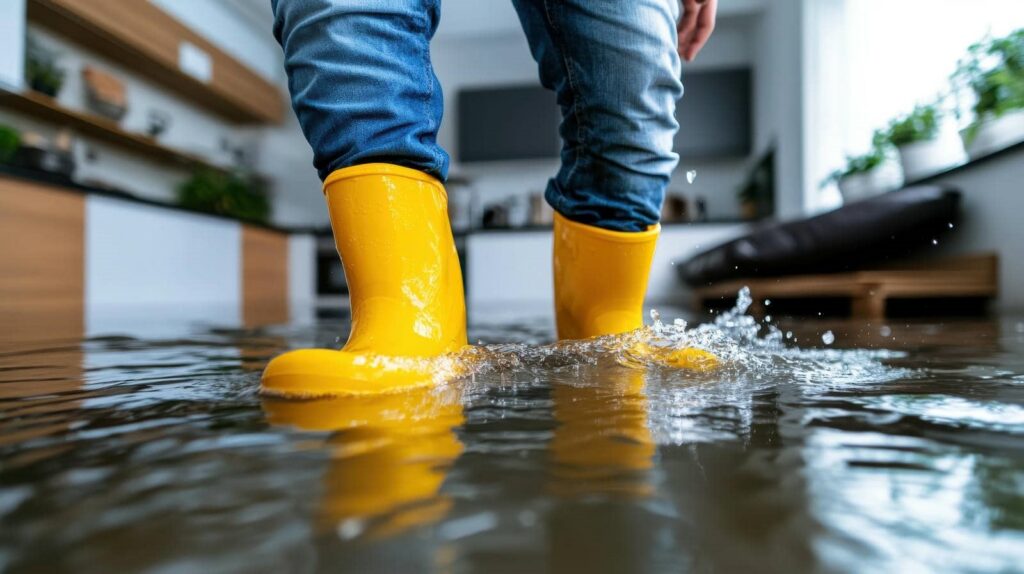
When flooding occurs, the aftermath can be overwhelming. You need to act quickly to restore your property while ensuring safety and minimizing long-term damage. From evaluating the extent of the water damage to executing effective drying methods, each step is vital. Knowing how to navigate this process can make a significant difference in your recovery. Let’s explore some essential tips that will guide you through restoring your property effectively.
Key Takeaways
- Document all damage with photographs and detailed notes to support insurance claims and repair evaluations.
- Begin water extraction immediately using pumps or wet vacs, followed by thorough ventilation and drying of affected areas.
- Inspect structural integrity and prioritize repairs, focusing on safety before aesthetics and addressing mold issues promptly.
- Dispose of damaged materials responsibly and consult professionals for specialized repairs, especially for electrical systems.
- Engage with community resources and support networks to share experiences and access additional recovery assistance.
Assessing and Documenting Damage
When you return to your property after a flood, it’s vital to assess and document the damage as soon as possible. Start by taking clear photographs of affected areas, noting specific details like water levels and visible damage. This documentation will be important for your insurance claims process.
Make a list of damaged items and structures, including estimates for repairs or replacements. Consider consulting with professionals who can provide accurate damage estimates, as this can strengthen your claim. Don’t forget to keep receipts for any initial repairs—these can also support your case.
While it’s overwhelming, remember you’re not alone; many face similar challenges in the aftermath of flooding. Connecting with neighbors or local community support can provide comfort and resources during this difficult time.
Taking these steps will help you regain control, ensuring that your recovery process is as smooth as possible.
Cleaning and Drying Out Affected Areas
As you begin the cleaning and drying process, it’s crucial to act quickly to prevent further damage and mold growth.
Start with water extraction; use pumps or wet vacs to remove standing water. The sooner you tackle this, the less chance there’s for mold to take root.
Once the water’s gone, focus on drying out affected areas. Open windows and doors for ventilation, and use fans or dehumidifiers to circulate air.
Don’t forget to remove soaked materials like carpets or drywall; they’re breeding grounds for mold.
As you clean, use a mixture of soap and water or specialized cleaners to disinfect surfaces. Consider applying mold prevention products to safeguard against future issues.
Repairing and Restoring Property Elements
Restoring your property after flooding requires a systematic approach to repair and rebuild the elements that have been compromised.
First, you’ll need to assess the damage, prioritizing safety and health. Mold remediation is essential to prevent long-term health issues.
Consider these steps when addressing repairs:
Inspect Structural Integrity: Check beams, walls, and foundation for damage.
Remove Damaged Materials: Safely dispose of any soaked drywall, insulation, and flooring.
Address Electrical Systems: Consult a professional to evaluate and repair wiring that may be compromised.
Rebuild and Restore: Once the area is safe, begin with structural repairs and then focus on aesthetics.
Frequently Asked Questions
How Can I Prevent Mold Growth After Flooding?
To prevent mold growth after flooding, you need effective mold prevention strategies. Use ventilation strategies like opening windows and utilizing fans to enhance airflow, and ensure surfaces dry quickly to minimize moisture accumulation in your space.
What Should I Do With Contaminated Items?
You should dispose of contaminated items safely. Use gloves and masks during the process, and follow local disposal regulations. Clean non-disposable items with safe cleaning techniques to reduce health risks and promote a healthier environment.
How Do I Find Financial Assistance for Restoration?
To find financial assistance for restoration, explore grants options and file insurance claims. These resources can help you rebuild and regain stability after such a challenging experience.
When Is It Safe to Re-Enter My Property?
You should wait until local authorities declare it safe. Conduct a thorough property assessment for hazards like unstable structures or electrical risks. Prioritize your safety and well-being during this challenging time; you’re not alone in this.
Should I Hire Professionals or DIY Restoration?
Deciding between professionals or DIY restorations is like choosing between a lighthouse and a candle. Weigh cost comparisons and skills assessment; professionals ensure safety and expertise, while DIY offers a personal touch and savings if you’re capable.
Recap
Restoring your property after flooding can feel overwhelming, but taking it step by step transforms chaos into clarity. By thoroughly evaluating damage, cleaning effectively, and repairing diligently, you’re not just restoring your space—you’re rebuilding your peace of mind. Remember, like a phoenix rising from the ashes, your home can emerge stronger and more resilient. Embrace the journey, stay organized, and don’t hesitate to seek help when needed; a solid foundation begins with informed decisions.