
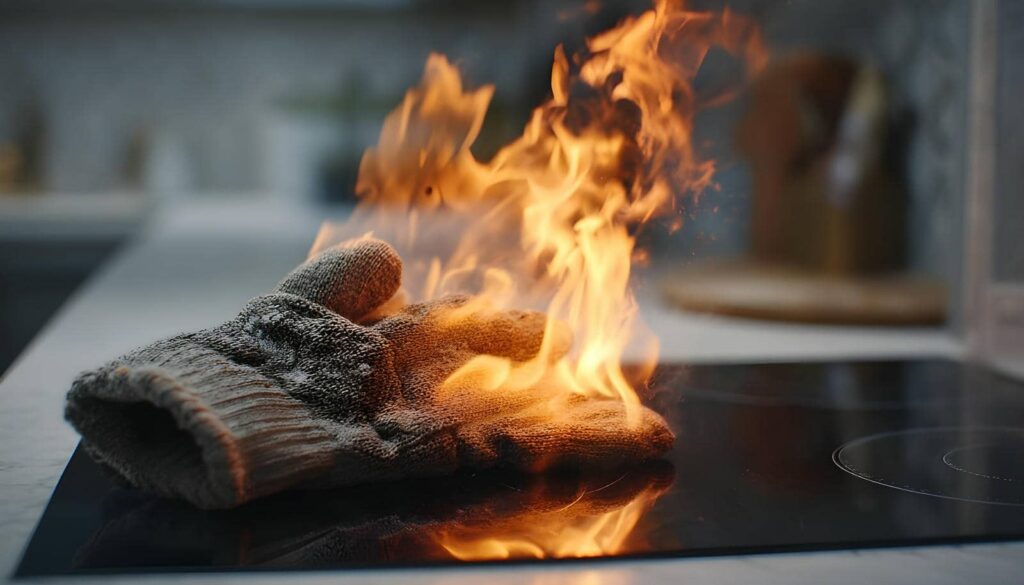
Is it true that smoke damage can linger long after the fire has been extinguished? Many homeowners underestimate the impact of soot and odors, believing a simple clean-up will suffice. However, a thorough approach is essential to effectively restore your space. Understanding the steps involved can make all the difference in achieving a successful cleanup. Let’s explore how you can tackle this challenging task methodically and efficiently.
Key Takeaways
- Assess the extent of smoke damage by inspecting surfaces and noting discoloration, soot, and odors to determine cleanup priorities.
- Gather necessary cleaning supplies, including heavy-duty cleaners, protective gear, and various cleaning tools like sponges and brushes.
- Ventilate the affected area by opening windows, using fans, and wearing a mask to improve air quality and aid in cleanup.
- Remove and dispose of severely damaged materials like carpets and drywall, adhering to local hazardous waste disposal regulations.
- Thoroughly clean all surfaces using appropriate techniques, ensuring to address painted walls, wood, upholstery, and hard surfaces effectively.
Assess the Extent of the Damage
Before you begin the cleanup process, it’s important to evaluate the extent of the smoke damage in your space. Start with a thorough smoke inspection, focusing on visible surfaces and hidden areas like walls, ceilings, and furniture.
Look for discoloration, soot residues, and any lingering odors that indicate smoke penetration. Note the severity of the damage in each area, as this will guide your cleanup strategy.
Conducting a detailed damage assessment helps you prioritize your efforts and determine if professional help is necessary. Pay attention to materials affected, as some may require special treatment or replacement.
You might also want to take into account the health implications of lingering smoke particles, especially for those sensitive to air quality. Taking the time to accurately evaluate the damage empowers you and fosters a sense of belonging to a community that understands the challenges of smoke damage cleanup.
Gather Necessary Cleaning Supplies
Once you’ve assessed the damage, it’s time to gather the necessary cleaning supplies to effectively tackle smoke cleanup.
Start by collecting appropriate cleaning agents specifically designed for smoke damage, like heavy-duty degreasers and enzyme cleaners. These will help break down the residue left behind.
Next, don’t forget to equip yourself with protective gear. This includes gloves, masks, and goggles to shield yourself from harmful particles and chemicals during the cleanup process.
You might also need sponges, cloths, and brushes of various sizes for scrubbing surfaces and fabrics. A vacuum with a HEPA filter is essential for capturing fine particles.
Lastly, consider having buckets and trash bags on hand for easy disposal of debris.
Gathering these supplies beforehand will streamline your cleanup efforts, ensuring that you feel prepared and supported as you restore your space.
Ventilate the Affected Area
To effectively begin the smoke damage cleanup process, it’s crucial to ventilate the affected area. Start by opening windows and doors to promote air circulation, which will help disperse lingering smoke particles and odors.
If the weather allows, use fans to enhance airflow; position them near the windows to push out contaminated air. Remember to take safety precautions during this process. Wear a mask to protect yourself from inhaling harmful particles, and verify that any electrical appliances used for ventilation are in good working condition to avoid potential hazards.
If possible, switch off the HVAC system to prevent the spread of smoke throughout your home. By prioritizing ventilation, you’re not just improving air quality; you’re also setting the stage for a more effective cleanup.
Proper air circulation can greatly reduce the time it takes to restore your space to a safe and welcoming environment.
Remove and Dispose of Damaged Materials
Begin by identifying and removing any materials that have been severely damaged by smoke, such as carpets, drywall, or insulation. These damaged materials can harbor odors and contaminants that compromise air quality and your health.
Use a utility knife to carefully cut out affected drywall, ensuring you wear protective gear like gloves and masks. When it comes to carpets, pull them up and inspect the padding underneath; it often needs replacing, too.
For disposal, check local regulations regarding hazardous waste, as certain materials may require special handling. You can typically place non-hazardous materials in your regular trash, but consider recycling or donating salvageable items.
If you’re unsure, consult with your local waste management authority for proper disposal methods. This step clears your space and paves the way for effective cleaning and restoration, helping you reclaim your home.
Clean Surfaces Thoroughly
Thoroughly cleaning surfaces is essential to eliminate lingering smoke odors and restore your home’s atmosphere. Start by identifying the various surface materials in your space, such as walls, ceilings, furniture, and floors. Each material requires specific cleaning techniques to ensure effective removal of soot and residue.
For painted walls, a mixture of warm water and mild detergent can work wonders. Use a soft sponge to avoid damaging the paint.
For wood surfaces, a gentle cleaner specifically designed for wood is ideal. Don’t forget to vacuum upholstered furniture with an attachment to lift smoke particles.
For hard surfaces like tile or laminate, a vinegar solution can effectively cut through grime. Rinse thoroughly afterward to avoid any lingering residue.
Finally, remember to clean light fixtures and electronics, as smoke can accumulate there, too. By addressing each surface properly, you’ll create a healthier, more inviting environment in your home.
Deodorize the Space
While cleaning surfaces removes visible soot and residue, deodorizing the space is essential for eliminating persistent smoke odors.
Start by introducing natural deodorizers like baking soda or activated charcoal. Sprinkle baking soda on carpets and upholstery, leaving it to sit for a few hours before vacuuming. For hard surfaces, mix equal parts water and white vinegar in a spray bottle to neutralize odors effectively.
Another option is to utilize essential oils. Adding a few drops of oils like lavender or lemon to your cleaning solution can provide a revitalizing scent while masking the smoke smell. However, remember that scent masking alone won’t eliminate the odor; you need to address the source as well.
Finally, consider placing bowls of vinegar or coffee grounds around the room, as they can absorb lingering smells.
This multi-faceted approach will help create a welcoming environment free from smoke odors.
Prevent Future Smoke Damage
After addressing smoke odors, it’s important to focus on preventing future smoke damage to protect your space.
Start by installing reliable smoke detectors throughout your home, ensuring they’re strategically placed in key areas like kitchens and hallways. Regularly test these detectors and replace batteries as needed; this simple act notably boosts your fire safety.
Next, establish a no-smoking policy inside your home to eliminate the risk of smoke damage from cigarettes or other sources. If you enjoy burning candles or using fireplaces, always supervise them and ensure proper ventilation.
Investing in an air purifier can also help reduce lingering smoke particles in the air.
Finally, educate your family about fire safety practices, such as how to use fire extinguishers and the importance of exit routes during emergencies.
Being proactive safeguards your belongings and fosters a safe, comfortable environment for everyone who shares your space.
Frequently Asked Questions
How Long Does Smoke Damage Cleanup Typically Take?
Cleanup duration varies, but you can expect a restoration timeline of several days to weeks, depending on severity. Prioritize thoroughness to ensure your space returns to a safe, inviting environment for you and others.
Can I Use Regular Household Cleaners for Smoke Damage?
You can use regular household cleaners, but they might not fully remove smoke residue. For best results, choose specialized products designed to tackle stubborn soot and odors, ensuring your space feels fresh and inviting again.
Is Professional Help Always Necessary for Smoke Damage?
Professional help isn’t always necessary for smoke damage. You can often use DIY methods effectively, but a professional assessment ensures thoroughness, especially for extensive damage. Trust your judgment to decide what’s best for your situation.
How Can I Protect My Health During Cleanup?
To protect your health during cleanup, wear protective gear like masks and gloves. Ascertain good air quality by ventilating the area and using air purifiers to minimize smoke particles, keeping yourself and others safe throughout the process.
Will Insurance Cover Smoke Damage Cleanup Costs?
You might think insurance policies cover everything, but often they don’t. Check your coverage limits; some may exclude smoke damage or have strict conditions. Understanding your policy’s details can save you unexpected costs down the line.
Conclusion
Tackling smoke damage might feel overwhelming, but by following these seven steps, you can restore your space effectively. Coincidentally, as you clean, you may discover hidden memories or items that spark joy amidst the chaos. This restoration process revitalizes your environment and allows for personal reflection. Remember, if damage is extensive, seeking professional help is a wise choice. By acting promptly, you can prevent future issues and reclaim your home’s comfort.