
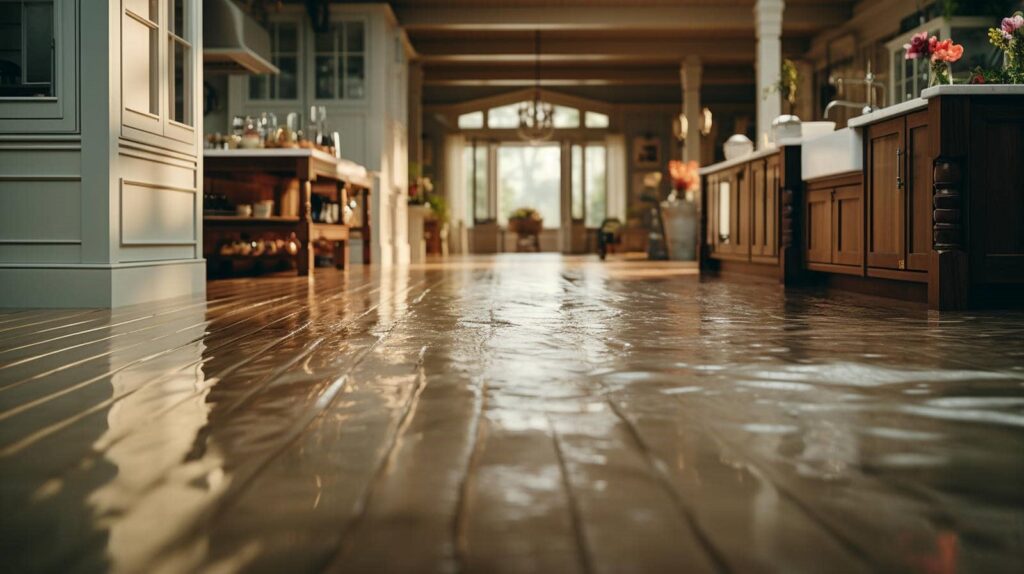
When water damage occurs, it’s vital to act swiftly to ensure a smooth recovery. Mold can become an unwelcome guest if you’re not careful. By following a few key strategies, you can greatly reduce the risk of mold growth in your space. From immediate water removal to effective cleaning practices, these steps are essential. Let’s explore how you can safeguard your environment against mold after such incidents.
Key Takeaways
- Remove standing water within 24 to 48 hours to minimize mold risk.
- Thoroughly dry affected areas, focusing on high-humidity spots like basements and bathrooms.
- Use dehumidifiers to maintain indoor humidity levels between 30-60%.
- Clean and disinfect surfaces with mold-preventative products, ensuring they dry completely.
- Regularly monitor for signs of mold, such as discoloration, musty odors, and moisture buildup.
Act Quickly to Remove Standing Water
When water damage occurs, it’s crucial to act quickly to remove standing water within 24 to 48 hours. Delaying this process increases the risk of mold growth, which can lead to health issues and costly repairs.
Start by identifying the source of the water and stopping it, if possible. Use pumps or wet vacuums to effectively handle water removal. Make sure to wear protective gear, as contaminated water can pose health risks.
After removing standing water, ensure proper ventilation to expedite drying. Open windows and use fans, if safe to do so, to help circulate air.
Dry Affected Areas Thoroughly
To effectively prevent mold growth after water damage, you must dry affected areas thoroughly. Start by removing any standing water and use towels or mops to soak up excess moisture.
Focus on high-humidity areas, like basements and bathrooms, where mold is likely to thrive. Ensure proper moisture control by checking hidden spaces, such as behind walls and under carpets.
Ventilation improvement is essential; open windows and doors to promote airflow, or use fans to help circulate air in the affected areas.
Make certain to keep the indoor humidity level below 60% to inhibit mold growth.
If you can, inspect your HVAC system, as a well-maintained system can aid in drying out spaces more effectively.
Use Dehumidifiers to Reduce Humidity
Using dehumidifiers is crucial for reducing humidity levels in areas affected by water damage, as they effectively extract excess moisture from the air.
Maintaining proper humidity control prevents mold growth and enhances dehumidifier efficiency. Here are some tips to maximize your dehumidifier’s performance:
Choose the Right Size: Select a unit based on the room size and moisture level.
Set Ideal Humidity Levels: Aim for 30-60% humidity for best results.
Keep Doors and Windows Closed: This prevents additional moisture from entering.
Regularly Empty the Tank: Ensure continuous operation for effective moisture extraction.
Use in Combination with Fans: Circulating air helps the dehumidifier work more efficiently.
Clean and Disinfect Surfaces
After experiencing water damage, cleaning and disinfecting surfaces is essential to prevent mold growth and ensure a safe environment.
Start with surface cleaning to remove visible dirt, debris, and moisture. Use a mixture of warm water and a mild detergent, applying it with a cloth or sponge to affected areas. Make sure you cover all surfaces, including walls, floors, and furniture.
Once the surfaces are clean, employ effective disinfecting techniques. Use a disinfectant approved for mold prevention, following the manufacturer’s instructions for proper dilution and application. Pay special attention to high-touch areas and any surfaces that remain damp.
After applying the disinfectant, allow it to sit for the recommended time to confirm efficacy.
Lastly, let surfaces dry completely before using the space again. By diligently cleaning and disinfecting, you create a healthier environment for everyone, greatly reducing the risk of mold growth.
Monitor for Signs of Mold Growth
Although you’ve cleaned and disinfected surfaces, it’s vital to regularly monitor for signs of mold growth to ensure your space remains safe.
Effective mold detection is important in preventing further issues, especially in areas prone to moisture. Keep an eye out for the following indicators:
Visible mold spots: Look for dark patches on walls, ceilings, or floors.
Musty odors: A persistent, damp smell can signal hidden mold.
Water stains: Check for discoloration that may suggest past leaks.
Peeling paint or wallpaper: This can indicate moisture buildup that molds thrive on.
Condensation: Excessive moisture on windows or pipes can lead to mold growth.
Frequently Asked Questions
How Long Does It Take for Mold to Develop After Water Damage?
Mold growth can start within 24 to 48 hours after water exposure. To prevent it, ensure you dry affected areas thoroughly and quickly, as stagnant moisture creates an ideal environment for mold development.
Can I Use Bleach to Kill Mold?
You can use bleach for mold removal, but its effectiveness varies. It kills surface mold, yet doesn’t penetrate porous materials. It’s better to combine bleach with proper ventilation and thorough cleaning for the best results.
What Are the Health Risks Associated With Mold Exposure?
Exposure to mold can trigger respiratory issues, causing mold symptoms like coughing, sneezing, and wheezing. Prolonged exposure may lead to more serious health complications, so it’s essential to address it promptly.
Should I Hire a Professional for Mold Remediation?
Yes, you should hire a professional for mold remediation. Their expertise ensures thorough removal and prevents future growth. Professional services use specialized equipment and techniques, providing peace of mind and safeguarding your health and property.
How Can I Tell if Mold Is Hidden Behind Walls?
You can identify hidden mold by using mold detection techniques like moisture meters or infrared cameras. Look for hidden mold signs such as musty odors, water stains, or discoloration on walls and ceilings.
Review
By following these tips, you can greatly reduce the risk of mold growth after water damage. Did you know that mold can start to grow within 24 to 48 hours of moisture exposure? Acting quickly and effectively is essential. Keep your indoor humidity below 60% and regularly check for signs of mold to maintain a healthy environment. Remember, prevention is always easier than remediation, so stay proactive in your efforts to protect your home.