Just as a ship must navigate through turbulent waters after a storm, you need to chart a course for effective flood damage restoration. It’s critical to assess the damage, prioritize safety, and engage professionals who can assist you. Each step plays an important role in minimizing loss and expediting recovery. So, what’s the best way to ensure you’re on the right path? Let’s explore the essential tips that can guide your efforts.
Key Takeaways
- Thoroughly assess the damage in every room, focusing on water intrusion, mold, and structural integrity.
- Prioritize safety by wearing protective gear and evaluating health hazards in affected areas.
- Engage professional restoration services promptly to minimize damage and prevent mold growth.
- Document all damage with photos and notes for effective communication with insurers and professionals.
- Foster community support by collaborating with neighbors on recovery efforts and sharing resources.
Assess the Damage Thoroughly
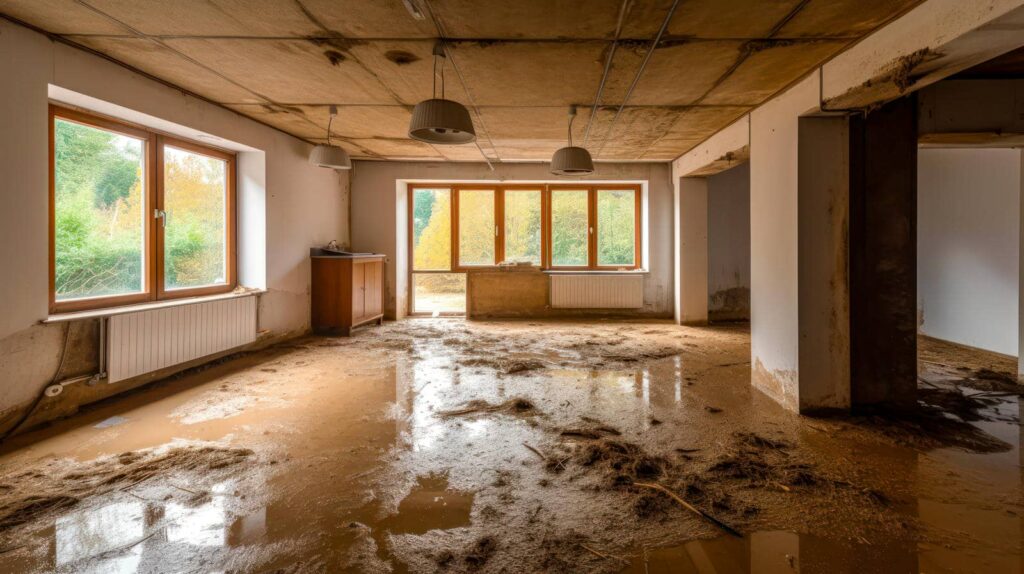
When you’re faced with the aftermath of a flood, evaluating the damage thoroughly is crucial for effective restoration. Start by inspecting every room, checking for signs of water intrusion, mold, and structural integrity. Look for warped floors, buckled walls, and damaged ceilings, as these can indicate serious issues.
Documenting the damage helps create a clear picture of what you’re dealing with, making it easier to communicate with restoration professionals and insurance companies.
Consider using a checklist to ensure you don’t miss any critical areas. Pay special attention to electrical systems, plumbing, and HVAC units, as flooding can compromise their functionality and safety.
Engaging a qualified professional for a detailed damage evaluation can provide you with insights into what’s salvageable and what needs replacement. This proactive approach facilitates a smoother restoration process and helps you reclaim your space more effectively, fostering a sense of belonging in your home.
Prioritize Safety and Health
Though the damage may be overwhelming, prioritizing safety and health is essential during flood recovery.
Begin by evaluating the environment for potential health hazards, such as contaminated water or mold growth. Before entering affected areas, make sure you wear personal protective equipment, including gloves, masks, and boots, to shield yourself from harmful substances.
It’s vital to stay informed about the risks involved. Floodwaters can carry pollutants and pathogens that pose serious health threats. If you notice any signs of mold or if you experience respiratory issues, seek medical help immediately.
Ensure that you have access to clean drinking water and food, as these can easily become compromised during floods.
Keeping a first aid kit handy is also a smart move. By prioritizing safety and health, you protect yourself and foster a sense of community resilience as you work towards recovery.
Utilize Professional Restoration Services
Utilizing professional restoration services can greatly expedite your recovery process after a flood. When you face the aftermath of water damage, it’s vital to tap into the restoration expertise that professionals offer.
These specialists understand the intricacies of flood damage and can assess the situation quickly, ensuring that no hidden issues linger in your walls or flooring.
A timely response is essential in minimizing damage and preventing mold growth, which can lead to health risks. By hiring experts, you’re saving time and gaining access to advanced equipment and techniques that might be beyond your reach.
Moreover, working with a trusted restoration company fosters a sense of community, as they’re dedicated to helping you reclaim your space.
Don’t underestimate the value of professional assistance; it’s an investment in your home and peace of mind, allowing you to move forward confidently.
Frequently Asked Questions
How Long Does Flood Damage Restoration Typically Take?
Flood damage restoration typically takes a few days to several weeks, depending on the severity. You’ll start with a damage assessment to create a restoration timeline, ensuring everything’s addressed efficiently and thoroughly.
What Items Are Salvageable After Flood Damage?
After flood damage, you can salvage items like appliances, furniture, and textiles. With proper flood salvage techniques, item restoration becomes possible, allowing you to reclaim what once felt like home and restore your cherished memories.
How Can I Prevent Future Flooding in My Home?
To prevent future flooding in your home, implement effective drainage solutions and apply waterproofing techniques. Regularly inspect gutters, downspouts, and foundation seals to ensure they’re functioning properly and protecting your space from water damage.
Will Insurance Cover Flood Damage Restoration Costs?
Yes, your flood insurance typically covers restoration costs, but it depends on your specific restoration policies. Always review your plan to ensure you’re fully aware of coverage details and any potential exclusions.
What Are the Signs of Mold Growth After Flooding?
After flooding, look for mold identification signs like musty odors, discoloration on walls, or fuzzy growths. These indicate potential health risks, so it’s essential to address mold issues promptly to protect your environment and well-being.
Recap
Tackling flood damage can feel overwhelming, but following these tips makes the process manageable. You might think you can handle it all yourself, but remember that professionals have the tools and expertise to address hidden issues that could worsen over time. By evaluating the damage, prioritizing safety, and engaging restoration services, you’re not just restoring your home; you’re protecting your health and investment. Don’t wait—act now to ensure a swift and effective recovery.