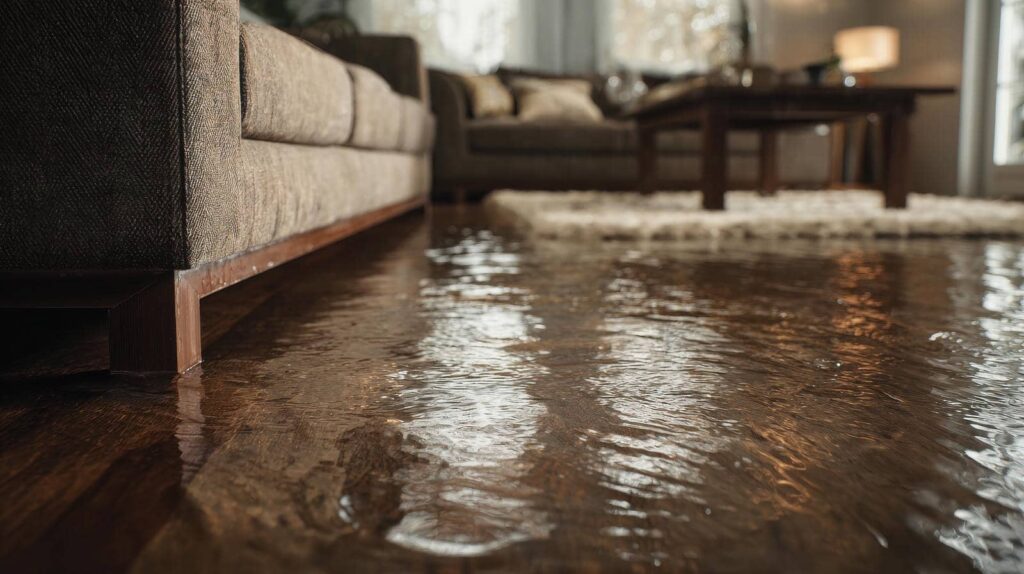
When tackling flood damage restoration, evaluating safety, executing efficient water extraction, and implementing effective drying methods are essential steps to take into account. You need to prioritize safety first, then act swiftly to remove water, and finally ensure thorough drying. Each stage plays an important role in minimizing damage and preventing mold growth. Understanding the nuances of these practices will equip you with the knowledge to handle such situations effectively. What’s the best approach to start?
Key Takeaways
- Prioritize safety by assessing hazards, wearing PPE, and communicating risks with household members before starting the restoration process.
- Evaluate flood damage thoroughly, documenting water intrusion and potential mold growth for insurance claims and remediation efforts.
- Act quickly to extract water using professional equipment like submersible pumps and industrial vacuums, focusing on areas with the highest accumulation first.
- Ensure effective drying and dehumidification by managing airflow, using fans, and employing dehumidifiers to prevent mold growth and structural damage.
- Maintain thorough documentation throughout the restoration process and engage professionals for specialized tasks like mold remediation to ensure safety and efficiency.
Assessing the Damage and Prioritizing Safety
When evaluating flood damage, it’s vital to prioritize safety above all else. Before stepping into a flooded area, assess any potential hazards like electrical risks or structural instability. Confirm you’re wearing appropriate personal protective equipment, such as gloves and boots, to safeguard against contaminants.
During your damage evaluation, take careful notes of affected areas, noting the extent of water intrusion and any visible structural damage. This documentation will be significant for insurance claims and restoration efforts.
Next, check for signs of mold growth, which can pose serious health risks. If you detect any, it’s wise to contact professionals who specialize in mold remediation.
Always communicate with your household members about the risks involved, fostering a sense of unity and shared responsibility. By adhering to these safety measures, you protect yourself and contribute to a safer environment for everyone involved in the restoration process.
Effective Water Extraction Techniques
Effective water extraction techniques are essential for minimizing damage after a flood. You’ll want to act quickly, as prompt responses can notably reduce the impact on your property. Using advanced equipment, such as powerful submersible pumps and industrial-grade vacuums, is critical for efficiently removing standing water. These tools speed up the extraction process and ensure thorough removal, protecting your home’s structure and contents.
During your emergency response, prioritize areas with the highest water accumulation first. It’s important to monitor moisture levels, as trapped water can lead to mold growth if not addressed immediately.
Additionally, consider enlisting the help of trained professionals who specialize in water extraction. They bring expertise and access to advanced tools, providing a thorough approach to restoration.
Thorough Drying and Dehumidification Methods
Thorough drying and dehumidification are vital steps in flood damage restoration, ensuring a safe and healthy environment.
To achieve peak results, you need to focus on effective airflow management. Position fans strategically to promote air circulation, directing airflow to damp areas. This accelerates drying and helps prevent mold growth.
In addition to airflow, moisture monitoring is significant. Use hygrometers to track humidity levels and verify they’re kept within a safe range.
This allows you to identify problem areas and adjust your drying strategies as needed. Dehumidifiers should be employed to extract excess moisture from the air, complementing your drying efforts.
Frequently Asked Questions
How Can I Prevent Future Flooding in My Home?
To prevent future flooding in your home, install proper drainage systems and ensure that landscape grading directs water away from your foundation. Regular maintenance can considerably reduce risk and keep your living space safe and dry.
What Insurance Coverage Should I Have for Flood Damage?
Have you considered how devastating flood damage can be? You should definitely invest in flood insurance with adequate coverage limits to protect your home and belongings, ensuring peace of mind during unforeseen events.
How Do I Choose a Restoration Company?
To choose a restoration company, assess their reputation through reviews and referrals. Make certain they offer service ensures, which reflect their commitment to quality. A reliable company will prioritize your needs and address your concerns effectively.
What Personal Items Can Be Salvaged After a Flood?
You can often salvage photographs and sentimental items after a flood. Carefully dry and restore photographs, and clean items like jewelry and heirlooms with professional guidance to preserve their emotional value and significance.
Are There Health Risks Associated With Floodwater?
Floodwater’s no joke; it’s teeming with contaminants that can lead to serious health effects. You’ve gotta be cautious about exposure, as bacteria and chemicals pose risks to your well-being during cleanup efforts. Stay safe!
Final Thoughts
By prioritizing safety, employing effective water extraction techniques, and ensuring thorough drying, you can greatly mitigate flood damage. It’s interesting how these practices protect your property and safeguard your health. You might find it surprising that by acting quickly with the right tools, you can prevent mold growth, which often appears unexpectedly. Remember, each step you take plays an essential role in restoring your space and peace of mind after a flood.