
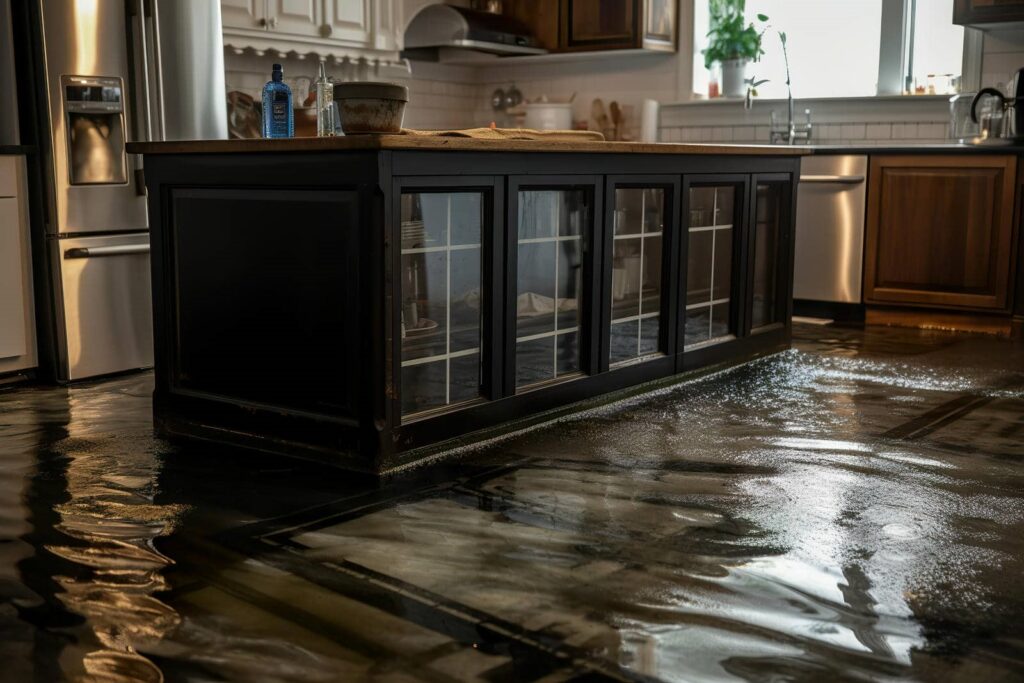
Steering through flood damage insurance claims can feel overwhelming, frustrating, and complex. Understanding your policy, documenting damages, and contacting your insurer are vital steps in this process. However, many policyholders make common mistakes that can hinder their claims. To avoid these pitfalls and guarantee you receive the compensation you’re entitled to, it’s essential to follow a strategic approach. Let’s explore ten practical tips that can simplify your claims experience.
Key Takeaways
- Understand your policy coverage by reviewing documents for details on coverage limits, exclusions, and deductibles.
- Document all damage thoroughly with clear photographs and a detailed inventory of affected items.
- Contact your insurance provider promptly, ideally within 24 hours, to report flood damage and begin the claims process.
- Maintain accurate communication records with the insurer, documenting every interaction and correspondence related to your claim.
- Be prepared for an insurance adjuster’s visit by organizing all evidence, repair receipts, and a list of damaged items.
Understand Your Policy Coverage
When you’re dealing with flood damage, understanding your policy coverage is essential to guarantee you receive the compensation you deserve. Start by reviewing your insurance documents closely.
Pay special attention to policy exclusions, as these can greatly impact your claim. For instance, many standard homeowners’ policies exclude coverage for flood damage, requiring separate flood insurance.
Next, familiarize yourself with your coverage limits. These limits dictate the maximum amount your insurer will pay for damages. If your losses exceed these limits, you’ll need to cover the difference out of pocket.
Additionally, make sure you understand any deductibles that may apply, as these can affect the amount you ultimately receive.
Document the Damage Thoroughly
To support your flood damage insurance claim, you must take clear photographs of all affected areas and items.
Confirm these images capture the extent of the damage from multiple angles.
Additionally, keep detailed records of what was damaged, including receipts and descriptions, to strengthen your case.
Take Clear Photographs
Clear photographs serve as vital evidence in documenting flood damage for insurance claims.
When evaluating the damage, you should capture wide-angle shots of affected areas, ensuring you include any structural damage and personal belongings.
Take close-ups of specific issues, like watermarks or mold growth, to highlight the extent of the impact. Proper lighting is essential; natural light often yields the best results.
Remember to date and label each image for clarity during the claims process. This photographic evidence will support your damage evaluation, making it easier for the insurance adjuster to understand your situation.
A thorough visual record strengthens your claim and offers peace of mind as you navigate the recovery process.
Keep Detailed Records
After capturing clear photographs, keeping detailed records of the damage is essential for a successful insurance claim. Effective record keeping supports your damage assessment and strengthens your case.
Here are some key steps to follow:
List every damaged item, including descriptions and serial numbers.
Document repair estimates and invoices from contractors.
Note any personal items of sentimental value that were lost.
Keep a diary of your recovery process, detailing your emotional and financial struggles.
Maintain communication logs with your insurance company, including dates and names of representatives.
Contact Your Insurance Provider Promptly
After documenting the damage, you need to report it to your insurance provider immediately.
Prompt reporting can expedite the claims process and help you understand your policy coverage better.
Knowing the specifics of your coverage is essential for maximizing your claim and ensuring that you receive the compensation you’re entitled to.
Report Damage Immediately
Act quickly to report flood damage to your insurance provider, as timely communication is essential for a smooth claims process. Following the correct reporting procedures not only expedites your claim but also helps in the damage assessment.
Here’s what you should do:
- Document all visible damage thoroughly.
- Take photographs to serve as evidence.
- Compile a list of damaged items, including their values.
- Keep receipts for any immediate repairs.
- Contact your insurer within the first 24 hours.
Being proactive can greatly impact your recovery. Each step fosters a sense of control during a chaotic time, reinforcing your connection to the support system that’s there for you.
Your swift action can pave the way for a more manageable claims experience.
Understand Policy Coverage
Understanding your policy coverage is vital, especially when maneuvering through the complexities of flood damage claims. Start by reviewing your insurance policy to identify coverage limits and guarantee they align with your needs.
Take note of any policy exclusions that may limit your claim, as these can greatly impact your compensation. For instance, certain types of flooding or damage mightn’t be covered under your plan.
It’s important to contact your insurance provider promptly for clarification on these details. They can help explain what’s included in your coverage and guide you through the claims process.
Being well-informed about your policy allows you to advocate effectively for yourself during this challenging time.
File a Claim as Soon as Possible
Filing a flood damage insurance claim promptly is crucial to securing the financial assistance you need for recovery. Delaying your claim can lead to complications, making your path to recovery more difficult.
Here are some effective claim submission strategies to follow:
Act quickly: The sooner you file, the better chances you have for a smooth process.
Document everything: Take photos and notes of the damage to support your claim.
Know your policy: Familiarize yourself with your coverage to highlight eligible damages.
Keep communication open: Stay in touch with your insurer for updates and clarification.
Seek support: Don’t hesitate to reach out to professionals or local resources for guidance.
Using these insurance claim tips guarantees your claim is processed efficiently, helping you recover from the emotional and financial toll of flooding.
Keep Records of All Communication
Maintaining accurate records of all communication with your insurance company is essential throughout the claims process. You should document every interaction, whether it’s via phone, email, or in-person meetings. Use a dedicated notebook or digital file to keep track of dates, times, and the names of representatives you speak with. This not only provides a clear timeline but also guarantees you have a reference for any discrepancies.
When using different communication methods, take notes during calls and follow up with an email summarizing the conversation. It’s a great documentation tip that reinforces your understanding and keeps everyone on the same page.
Save all correspondence, including policy documents and claim forms, in an organized manner. This organized approach not only strengthens your claim but also fosters a sense of belonging within the claims process, as you’ll be more informed and prepared to navigate any challenges that arise.
Obtain Repair Estimates
As you navigate the claims process, obtaining accurate repair estimates is essential for substantiating your flood damage claim. This involves conducting a thorough repair cost analysis and selecting reputable contractors. By doing so, you guarantee that your claim reflects the true extent of the damage and the financial resources needed for repairs.
When seeking repair estimates, consider the following:
- Get at least three written estimates for a balanced perspective.
- Verify contractors are licensed and insured for peace of mind.
- Request detailed breakdowns of costs for transparency.
- Ask about warranties on both materials and labor for long-term assurance.
- Communicate openly with contractors about your budget and needs.
These steps not only strengthen your claim but also foster a sense of community as you work with trusted professionals.
Understand the Claims Process Timeline
Understanding the claims process timeline is essential for effectively managing your flood damage insurance claim.
You’ll encounter key stages such as filing your claim, adjusting, and settlement, each with specific timeframes.
Additionally, it’s important to recognize common delays that can impact the overall duration of the process.
Key Stages Explained
Maneuvering the flood damage insurance claims process involves several key stages that can considerably impact the outcome of your claim.
Understanding these stages can alleviate some stress and help you feel more in control. Here’s what to expect:
Pre Claim Checklist: Gather necessary documents and evidence of damage.
Claim Submission Process: File your claim with your insurance provider promptly.
Assessment: An adjuster reviews your claim and inspects the damage.
Decision: The insurer evaluates your claim and decides on coverage.
Payout: If approved, you’ll receive compensation to start repairs.
Each of these stages is essential, so staying organized and informed can help you navigate the process effectively and with confidence.
Common Delays Encountered
Maneuvering the flood damage insurance claims process can often lead to unexpected delays that may hinder your recovery efforts. One common issue is delayed inspections, where adjusters may take longer than anticipated to assess the damage. This can stall your claim, leaving you in limbo.
Additionally, documentation disputes frequently arise, often due to incomplete or inconsistent information. If your insurer requests further documentation, this can prolong the claims process, causing frustration.
To minimize these delays, guarantee all paperwork is thorough and accurate from the start. Regularly follow up with your claims adjuster to stay informed about any pending inspections or required documents. Understanding these potential setbacks can help you navigate the process more efficiently.
Follow Up Regularly on Your Claim
While you may feel overwhelmed after experiencing flood damage, staying proactive in following up on your insurance claim is essential. A solid communication strategy can make a significant difference in getting the support you need.
Regular claim follow up not only keeps you informed but also emphasizes the urgency of your situation to your insurer. Here are some key steps to reflect on:
- Set a timeline for follow-ups.
- Document every conversation you have.
- Ask for updates on your claim status.
- Maintain a record of emails and calls.
- Don’t hesitate to escalate issues if necessary.
Be Prepared for an Insurance Adjuster Visit
After you’ve established regular communication regarding your claim, the next step is preparing for the insurance adjuster’s visit. Understanding adjuster expectations is vital; they’ll assess the flood damage and gather necessary documentation.
To guarantee proper inspection preparedness, compile all relevant information, including photographs of the damage, receipts for repairs, and any previous correspondence with your insurance company.
Create a detailed inventory of damaged items, noting their value and condition. This will help the adjuster gauge the extent of the loss accurately. Additionally, clear the affected area to facilitate a thorough examination.
Be ready to answer questions about the damage and any temporary repairs you’ve made. By being organized and proactive, you’ll make the adjuster’s job easier, which can lead to a smoother claims process.
Know Your Rights and Appeal Options
How well do you understand your rights when it comes to flood damage insurance claims? Knowing your insurance rights can empower you during the claims process.
If you feel your claim has been unfairly denied or underpaid, you have the option to appeal. Here are key points to remember:
- You have the right to a clear explanation of your coverage.
- You can request a written denial from your insurer.
- You can gather supporting documents to strengthen your case.
- You’re entitled to communicate with a claims adjuster directly.
- You can seek help from a legal expert if needed.
Understanding the appeal process is essential. It involves submitting a formal request to review the initial decision, often requiring additional documentation.
Frequently Asked Questions
What Types of Damage Are Typically Covered by Flood Insurance?
Flood insurance typically covers structural damage, personal belongings, and some appliances, but you’ll find flood coverage exclusions for basements and certain valuables. Always check your policy limits to understand what’s fully protected.
How Can I Expedite My Flood Damage Claim Process?
You can expedite your flood damage claim process by ensuring thorough claim documentation. Statistics show that 60% of claims are delayed due to incomplete information. Review your insurance policy carefully for required documents before submission.
Are Temporary Living Expenses Covered During Repairs?
Yes, temporary housing expenses are often covered during repairs, but you’ll need to check your policy for specific claim limits. Make certain to document all costs to guarantee a smoother reimbursement process.
What if the Insurance Adjuster Undervalues My Damage?
If the adjuster undervalues your damage, gather detailed damage documentation and prepare for adjuster negotiation. Present your evidence clearly, emphasizing discrepancies, and consider seeking a second opinion to support your claim effectively.
Can I Change My Claim After Submitting It?
You can change your claim after submitting it, but only within the submission timeline. Ironically, adjusting your claim might feel like admitting a mistake, yet it could guarantee you receive the full compensation you deserve.
Wrap-Up
Steering through flood damage insurance claims can feel like wading through murky waters, but you don’t have to do it alone. By understanding your policy, documenting damages, and maintaining clear communication, you’re setting the stage for a smoother claims process. Keep your eyes on the horizon and follow up regularly; persistence is key. Remember, being informed equips you to tackle any challenges that arise, ensuring you can weather the storm and emerge on the other side with your rights protected.